
layers · haircuts
Layered Haircutsfor 2027
Layered haircuts for 2027 at every length, from short layered bobs to lobs and long butterfly layers, with where layers should start for your hair type.
Hairover Team
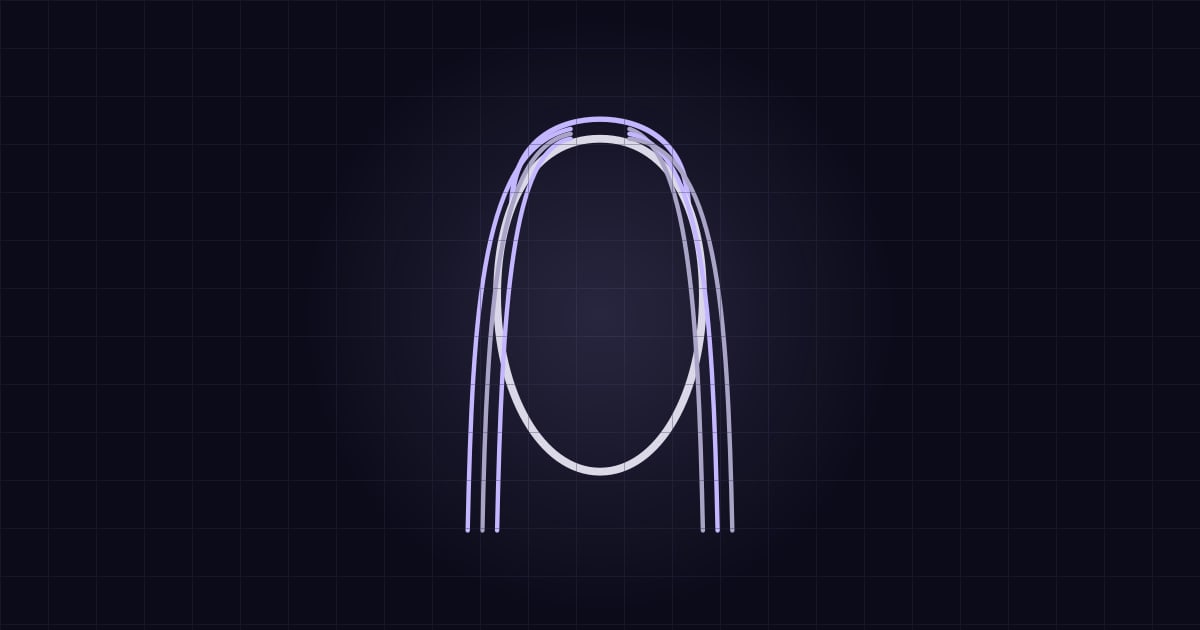
The best layered haircuts for 2027 include short layered bobs, layered lobs, face-framing layers, butterfly layers, and long, soft layers. The right choice depends on where the layers start. Long layers starting around the collarbone are the easiest to wear and suit most people. Higher, shorter layers give more movement and volume, but they need more styling and more frequent trims.
This is a guide to layers at every length. If your hair is already long and you want to go deep on that length, see layered haircuts for long hair.
Types of layers, in plain English
Stylists use different words for these, so this should help you match what you want with the right term:
- Long layers are subtle and remove only a little length through the ends.
- Face-framing layers only appear around the face. The back stays the same.
- Internal layers are hidden. They reduce bulk without changing the outline.
- Choppy layers have visible, textured ends that look a bit messy.
- Short top layers have a noticeable length difference, as with a butterfly or wolf cut.
Short layered hair
Layered bob
Light layers at the back and sides stop a bob from looking like a helmet, especially on thick hair. Fine hair may want fewer layers and a blunter edge. See our bob haircut ideas for 2027.
Short shag
Here, layers are the whole point. They create a choppy, undone shape that doesn’t need a lot of work. See short shag ideas for 2027.
Layered pixie
Longer layers on top give you something to style. They’re also a good way to soften a very short cut. See our pixie cut ideas.
Medium layered hair
Layered lob
This is one of the most wearable haircuts, as it keeps a strong length while letting the ends move. It is covered in our full layered lob guide. Also see lob haircut ideas for 2027.
Shoulder-length with curtain bangs
Layers around the face that blend into curtain bangs are flattering on many face shapes. They can often be tied back, too.
Medium shag
This is a longer shag, with crown layers and wispy ends. Our medium-length haircuts for women has more options.
Long layered hair
Butterfly layers
Short layers on top frame the face and add bounce, while long layers keep the length underneath. Our butterfly haircut guide explains the whole cut, and our layers vs. butterfly cut comparison helps if you’re not sure which you want.
V-cut or U-cut layers
These names describe the shape of your hair at the back when it’s down. See V-cut vs. U-cut for more about the difference.
Soft long layers
These are subtle and easy. If you don’t want a dramatic change but your hair feels heavy, this is your cut. See long hairstyles for 2027 for other options.
How your hair type changes things
Fine hair. Fewer layers, and keep them long. Too many take away from the bottom edge and leave it looking thin. See fine hair haircuts for 2027.
Thick hair. Layers are helpful, and internal ones are the best way to take out weight. See thick hair haircuts for 2027.
Wavy hair. Layers let waves form instead of being pulled flat. See wavy hairstyles for 2027.
Curly hair. Layers should be cut with shrinkage in mind, ideally dry. Short layers can spring up a lot more than you expect. See curly hairstyles for 2027.
Straight hair. Layers show clearly here, so the blending matters. Harsh steps stand out unless they’re styled. See hairstyles for straight hair in 2027.
Where layers should start for your face
- Round: below the chin, so they don’t add width at the cheeks.
- Oblong: around the cheekbones, to add width.
- Square: around the jaw, to soften it.
- Heart: from the jaw or chin downward, to add fullness near the jaw.
- Oval: wherever you like.
How to style layers
A blow-dry with a round brush turning the ends away from your face is the classic look. A quick way to do it is with large Velcro rollers placed at the crown and front pieces while you do something else. If you’re using heat, the American Academy of Dermatology recommends low or medium settings and a product to protect hair from the heat. Our blow-dry guide walks through it.
If you don’t want to use heat, try a flexible hold mousse and let your hair air-dry. Layers usually have enough shape to look intentional without a lot of effort.
What to tell your stylist
Point to where you want the shortest layer to fall on your face. “Layers” alone can mean several different things, but “my shortest piece here, at my jaw” is much harder to misunderstand. Then explain how you usually wear your hair. Heavily layered hair often looks best when it’s styled, so if you never use a blow dryer, say so. Our haircut terms glossary gives you more words.
Related guides
- Hush Cut: The Soft Korean Layered Haircut Explained
- Hair Trends That Are Out in 2027, and What’s Replacing Them
- Layered Bob: Styles, Who It Suits, and How to Ask
See your layers first
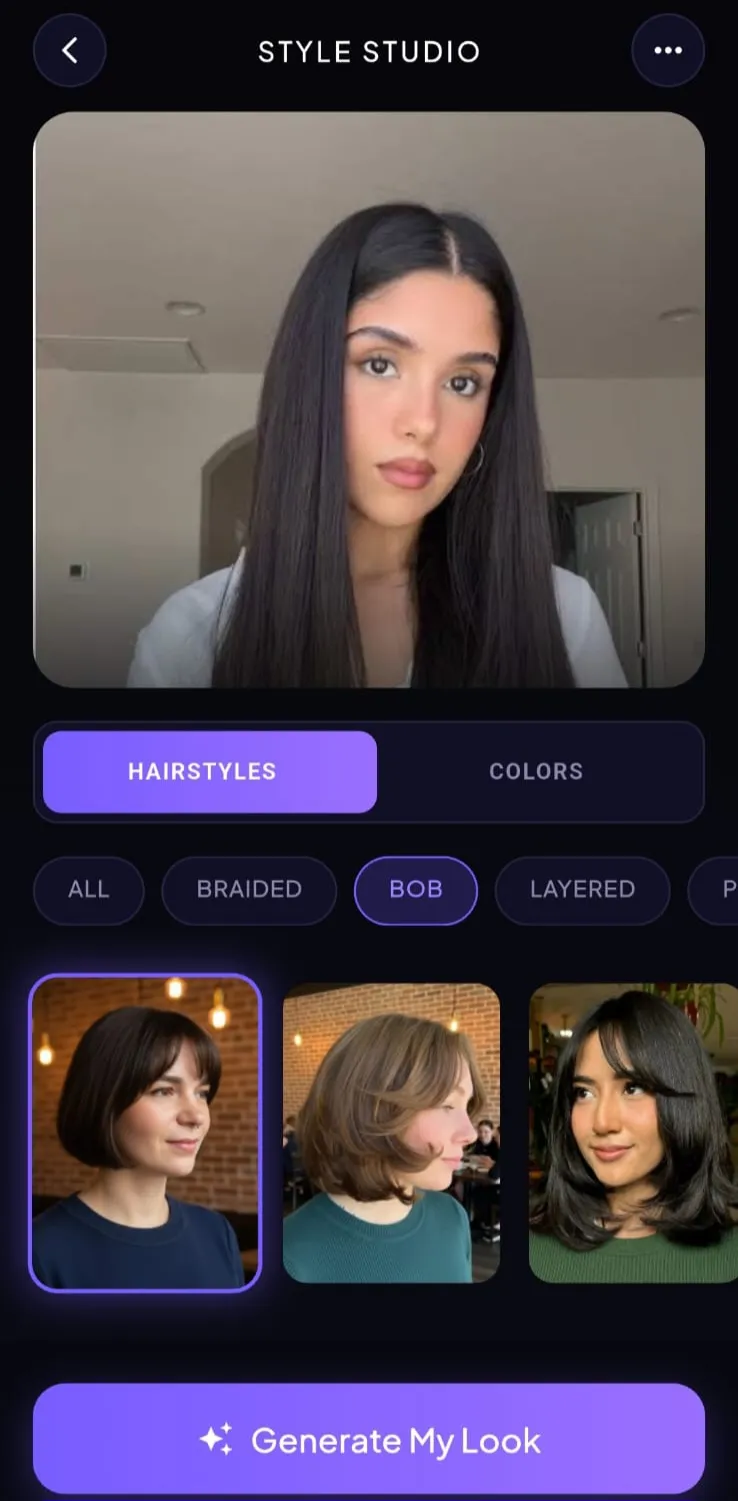
Layers can be difficult to imagine, and a short layer takes a long time to grow out. Upload a photo to Hairover to get recommendations with a match score, and try a layered lob or butterfly cut on your own face in Style Studio.
FAQ
Do layers make hair look thinner?
They can if they're cut too short or too many are added on fine hair. Long, minimal layers usually keep fine hair looking full.
Where should layers start?
A common starting point is around the jaw or collarbone for long hair. Higher layers add more movement and volume but take more styling and grow out faster.
Are layers good for thick hair?
Yes. Layers remove bulk and stop thick hair from looking heavy. Ask for internal layers if you want to keep a strong outline.
How often do layers need trimming?
Usually every 8 to 12 weeks. Short layers lose their shape faster than long ones.