Length & movement
Hairstyles for Women
Women’s hairstyles cover a wide map: blunt bobs, soft layers, curtain bangs, long waves, and everything between. Face shape is one useful lens, but hair density, cowlicks, and how you actually style in the morning often matter more. Use Hairover to compare silhouettes on your own photo, then take those references to a stylist who can translate them into a cut that grows out cleanly.
Women’s hairstyles cover a wide map: blunt bobs, layered lobs, curtain bangs, long layers, soft waves, and short pixie cuts. Face shape is one useful lens. Hair density, cowlicks, whether you wear hair up, and how much heat-styling you actually do often matter more. A celebrity haircut is a shape reference, not a template.
This women’s hairstyle guide walks through popular haircuts for women, how length and bangs change the outline, and how to choose between keeping length and taking a stronger silhouette. Use it to gather two or three ideas, then preview them with the Hairover AI hairstyle try-on so you are not deciding from someone else’s blowout.
Bring the stills you like to a stylist and ask how the cut will look on an unstyled day. That question saves more disappointment than any trend list.
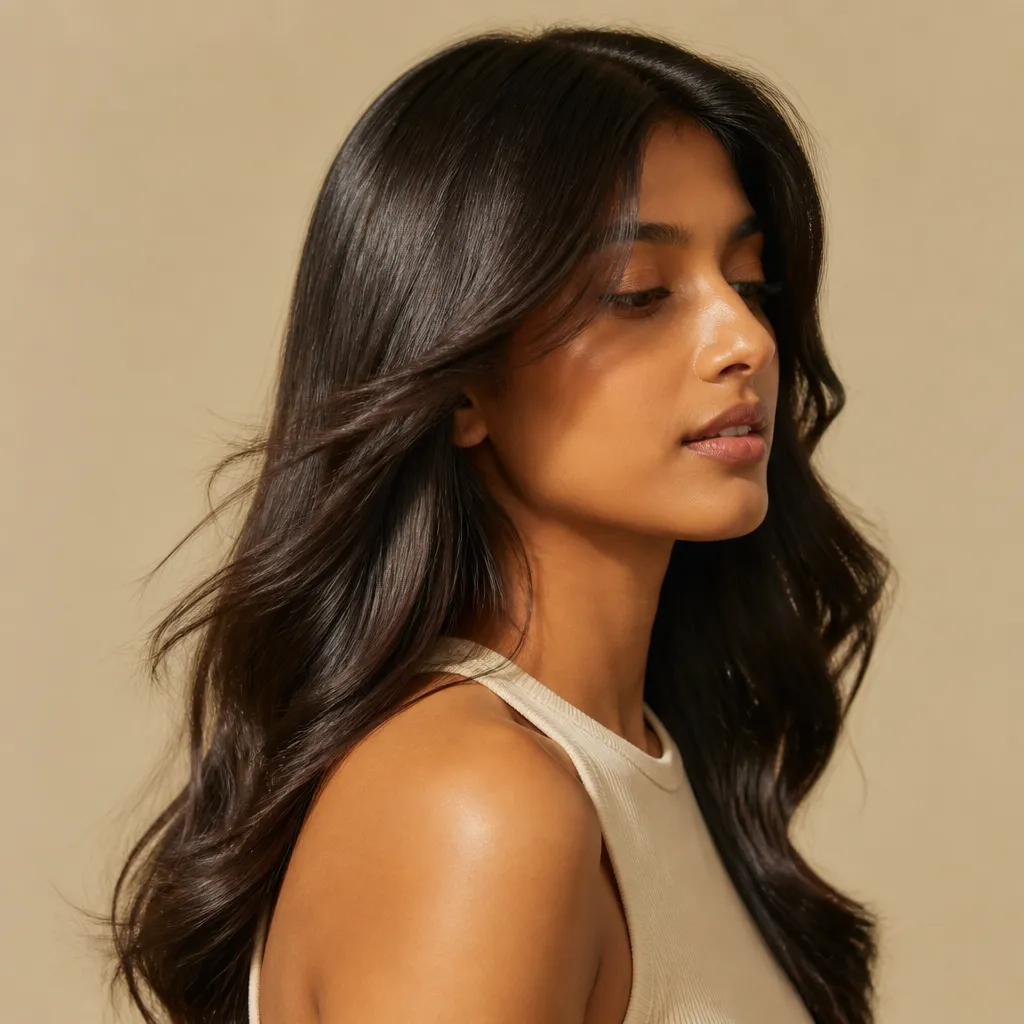
Start here
Decide whether you want a stronger outline or to keep length.
The real decision
Density and morning routine matter as much as face shape.
In the chair
Bring a silhouette, then ask how it will grow out.
How to choose a women’s haircut
Name the job of the cut before you name the trend. Quicker mornings, more movement, a clearer jawline, or hair you can still wear in a ponytail are different jobs. A bob that photographs beautifully can feel wrong if you live in a bun. Long layers can feel heavy if you wanted a stronger outline.
Once you know the job, test length on your own photo. A chin-length bob, a lob, and long face-framing layers can all be “flattering” and still not be the haircut you will maintain.
Popular women’s hairstyles to explore
These women’s haircuts come up constantly in searches because they solve common problems: triangle-shaped length, a bare forehead, or hair that only looks good after a blow-dry. Treat each as a silhouette to compare, not a prescription.
Layered bob and lob haircuts
A bob or long bob (lob) gives a clearer outline than very long hair without going fully short. Layers keep a bob from sitting like a helmet. The finish at the ends, blunt or lived-in, changes how graphic the cut reads.
Curtain bangs and wispy bangs
Curtain bangs soften the forehead and open the eyes. Length and how open the curtain is matter more than the word “bangs.” Mention cowlicks at the hairline before you commit. Preview curtain bangs and a fuller fringe in Hairover if you are unsure.
Long layers and face-framing pieces
Long layered hairstyles keep length, remove bulk, and add swing. They are often worth exploring if hair feels triangular or heavy at the ends. Point to where the shortest face-framing piece should sit, because “add layers” is too vague.
Soft waves and blowout shapes
A wave or blowout is a finish as much as a cut. If you heat-style some days and wear hair straighter on others, preview both. A cut designed only for a blowout can disappoint on air-dry days.
Women’s hairstyles, face shape, and hair density
Oval, heart, round, and diamond face shapes are commonly discussed with women’s haircuts, but density decides whether layers help or make fine hair look thinner. Too many short layers can. Longer, fewer layers that keep weight at the ends are often a better starting point for fine hair.
If you like putting hair up, say so in the chair. That can keep you from going too short. If you sit between face shapes, read both guides and compare the outlines on your photo rather than forcing a single label.
Preview women’s hairstyles in Hairover
Upload a photo at eye level, in even light, with your usual part. Include the length you currently have so layers can be judged against it. Try a bob, a lob with curtain bangs, and a long layered option. Save the versions you would wear without a salon finish.
Hairover will not replace a stylist who can see your cowlicks in person. It will give you a clearer women’s hairstyle reference so the appointment is about adapting a shape, not guessing from a screenshot.
A calmer way in
How to choose a look
- 01
Name the job of the cut
Quicker mornings, more movement, a clearer jawline, or hair you can still wear up. Pick one job so the rest of the choices have a filter.
- 02
Test length on your photo
A bob, a lob, and long layers can all “suit” the same face and still feel wrong for how you actually style. See them on you first.
- 03
Adapt, don’t copy
Use a celebrity or Pinterest still as a shape reference. Texture, cowlicks, and density are what a stylist has to translate.
Lookbook
Worth exploring
01
Layered lobs and bobs
A clearer outline than long hair, without going fully short. Layers keep the shape from sitting like a helmet.
02
Curtain and wispy bangs
Soften the forehead and open the eyes. Length and openness of the curtain change the effect more than the word “bangs.”
03
Long layers with movement
Keep the length, remove bulk, add swing. Often worth exploring if hair feels triangular or heavy at the ends.
04
Soft waves and blowout shapes
A finish as much as a cut. Useful to preview if you heat-style some days and wear it straighter on others.
In the chair
What to say
- Say whether you wear hair up often. That can keep you from going too short.
- Point to where you want the shortest layer to sit, not only “add layers.”
- Mention cowlicks at the hairline before asking for bangs.
- Ask what this cut looks like on an unstyled day, not only after a blow-dry.
Before you upload
A useful photo
- Shoot at eye level, hair off the face if you can, in window light.
- Include the full length you currently have. Layers are judged against it.
- If you wear a part, keep that part. Fighting it in the photo misleads the preview.
On this site
Example styles
medium
Curtain Bangs
A center-parted fringe that opens around the face. Often used to soften a forehead or add a frame without committing to a full blunt bang.
Read the guidemedium
Layered Lob
A long bob with layers for movement. Often worth exploring if you want a clearer outline than long hair, without going fully short.
Read the guideshort
Pixie Cut
A short, shaped cut that relies on the outline around the face. Often worth exploring if you like a defined silhouette and quicker mornings.
Read the guidelong
Soft Waves
A relaxed wave pattern that adds movement to medium or long hair. Often used to soften angles without a dramatic cut.
Read the guide
A useful map, not a verdict
Face shapes often discussed
Oval
A balanced outline that can wear many shapes. Texture and lifestyle still decide the cut.
Oval hairstyle guideHeart
Wider at the forehead, narrower at the chin. Balance is the usual goal, not a single cut.
Heart hairstyle guideRound
Looks that add height or a longer line are commonly recommended. Softness can still suit you.
Round hairstyle guideDiamond
Narrower forehead and jaw, wider cheekbones. Framing the mid-face is often the useful move.
Diamond hairstyle guideKeep looking
Related guides
Short Hairstyles
Pixies, crops, and bobs that rely on cut and texture more than length.
Open guide →Long Hairstyles
Layers, waves, and blunt ends that keep length without looking heavy.
Open guide →Curly Hairstyles
Cuts and shapes that work with curl pattern instead of fighting it.
Open guide →All hairstyles
Browse the index →
From the journal
FAQ
How do I choose between a bob and long layers?
A bob often reads cleaner and can feel easier day to day. Long layers keep length while adding movement. If you like putting hair up, longer length may still be worth keeping; if you want a stronger silhouette, a bob is often worth exploring.
Should I match a celebrity haircut exactly?
Celebrity photos are a starting point, not a template. Lighting, styling, and hair type change the result. Use a celebrity cut as a shape reference, then adapt it to your density and routine.
Will layers make fine hair look thinner?
Too many short layers can. Longer, fewer layers that keep weight at the ends are often a better starting point for fine hair. A photo comparison of a blunt finish versus a light layer is more useful than a yes-or-no rule.
How do I know if bangs will suit me?
It depends on your hairline, cowlicks, and how much forehead you want visible. Curtain bangs are commonly recommended as a softer first step than a full fringe. Try both on your photo before you commit to the scissors.
What women’s hairstyles work for thick hair?
Layers that remove bulk, a lob with a lived-in end, or a stronger bob outline are commonly explored. Blunt one-length cuts can look intentional but may feel heavy. Preview a layered silhouette and a blunter one. Density, not only face shape, decides which is easier to live with.
Can I preview women’s haircuts with AI?
Hairover lets you try bobs, curtain bangs, long layers, and waves on your photo. Use it to pick a silhouette, then ask a stylist how it will look unstyled. The app is a reference, not a substitute for seeing cowlicks in person.


Google Play & App Store
Ready to find your next hairstyle?
Upload a photo in Hairover and try men’s and women’s haircuts on your own face (crops, fades, bobs, layers, and more), then take a still to the chair.