Cuts & texture
Hairstyles for Men
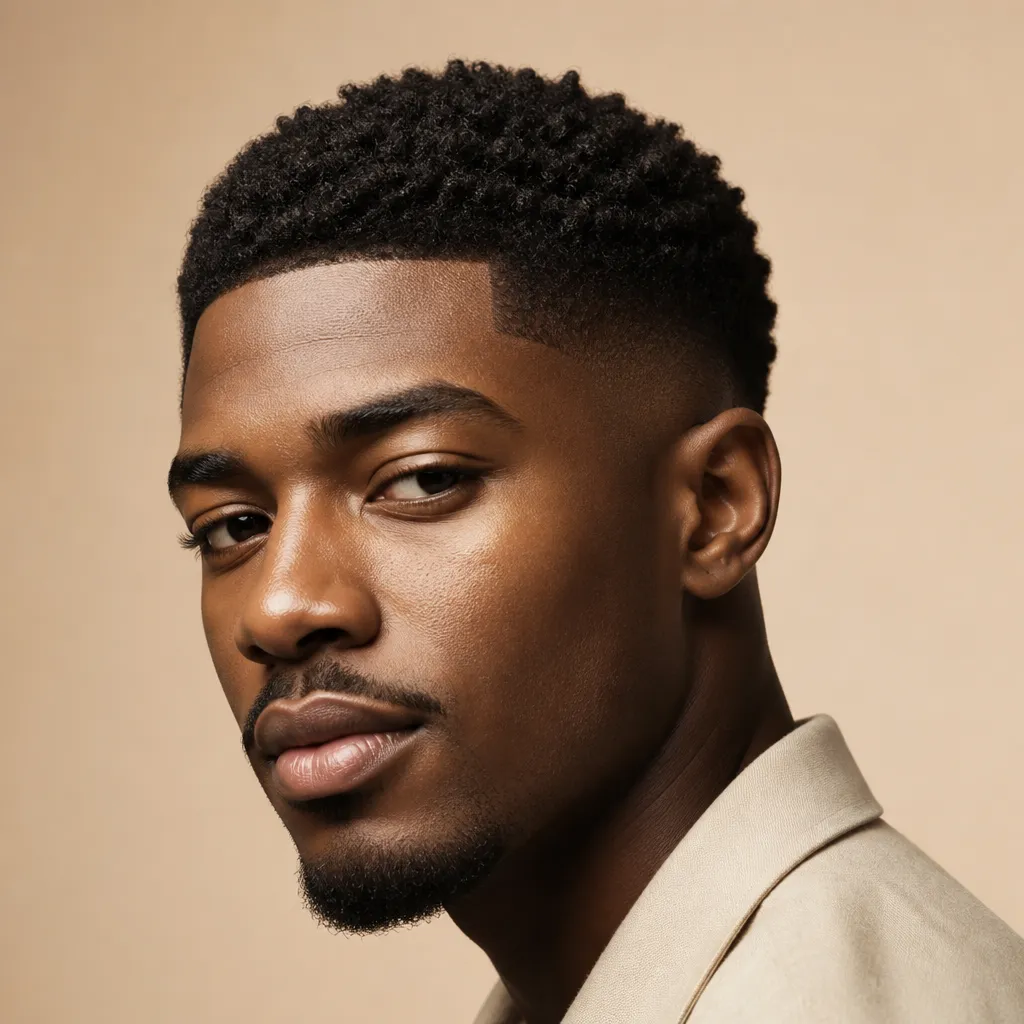
Men’s hairstyles are less about a single trend and more about how length, texture, and the hairline work together. A crop that looks sharp in a photo may feel high-maintenance in real life; a longer style may need more daily shaping than it first appears.
The best men’s hairstyles are rarely a single trend. They are a mix of top length, side contrast, texture, and how your hairline actually sits. A crop that looks sharp on a barber’s Instagram may feel high-maintenance by week two. A longer style may need more daily shaping than the first photo suggests. Treat “textured crop,” “low fade,” and “side part” as starting names, then decide the details that make the cut wearable.
This men’s hairstyle guide covers popular haircuts for men: textured crops, messy fringes, low fade and high fade haircuts, skin fades, classic tapers, side parts, and longer layered looks. It also covers face shape, hair type, thinning hair, and receding hairlines: the variables that change the same cut from person to person.
Hairover is an AI hairstyle try-on app. Upload a clear photo, compare a few men’s hairstyles against your own features, and walk into a salon or barbershop with a reference still instead of a rigid rule or a one-word request.
Start here
Stay close to your current length, then try one bolder option.
The real decision
Top length and side contrast are two separate requests.
In the chair
A photo of the blend and the fringe beats a one-word name.
What actually changes a men’s haircut
Most confusion around men’s hairstyles comes from collapsing three decisions into one nickname. The top can be a crop, a quiff, curls, or a side part. The sides can be a taper, a low fade, a mid fade, or a skin fade. The hairline, crown, and neckline decide whether that combination looks clean or harsh on you.
Ask for those pieces separately. “Short on the sides, about this much left at the fringe, mid fade, textured on top” is a brief a barber can cut. “Give me a modern haircut” is not. If you want low-maintenance men’s haircuts, say how many weeks you like between visits. Fade height is often the thing that forces you back in.
Popular men’s hairstyles worth exploring
These are commonly searched men’s haircuts because they photograph well and adapt across hair types. None of them is universally “the best hairstyle for men.” Preview two looks close to your current length and one bolder option so you have a realistic range.
Textured crop and messy fringe
A textured crop hairstyle keeps the sides short and leaves enough length on top to tousle. It is a strong starting point if you want a modern men’s haircut without a hard part. The fringe length is the detail that makes or breaks it. Too short and it reads severe; too long and it collapses into the eyes.
Low fade, mid fade, high fade, and skin fade
A fade haircut for men is the blend on the sides, not the style on top. A low fade stays near the ear and grows out quietly. A mid fade adds contrast. A high fade or skin fade reads sharper and usually needs more frequent touch-ups. The same crop on top looks like three different haircuts at three fade heights.
Classic taper and side part
A taper keeps more weight through the sides than a skin fade. A side part or classic men’s hairstyle is worth exploring if you want a cleaner office look, or if a high-contrast fade feels too graphic for your texture or workplace.
Longer men’s hairstyles with layers
Longer hair on men still needs a shape. Layers stop length from sitting heavy or triangular. This direction is useful if you are growing a crop out, or if you want movement without committing to a short back and sides.
Men’s hairstyles by face shape
Face-shape rules for men’s haircuts are a map, not a verdict. Hair density, the hairline, and how you style in the morning still matter more than the label. If you sit between two shapes, read both guides and preview both directions on your photo.
Oval faces can wear many men’s hairstyles. The useful question is lifestyle, not permission. Square faces often explore cuts that either soften the jaw or complement it on purpose. Round faces are commonly paired with a little height at the crown or a longer vertical line. Oblong faces often benefit from width, a fringe, or less extra height. Use the oval, square, round, and oblong face-shape pages on this site as a second lens after you pick a silhouette.
Hair type, thinning hair, and receding hairlines
Straight hair shows the outline of a fade clearly. Wavy hair can hold a textured crop with less product. Curly and coily hair often wants a curl-aware cut so the fade and the pattern do not fight each other. Fine hair can look denser when it is shorter, but a very tight fade with a flat top can also make thinning more visible.
For a receding hairline, shorter texture on top and a conservative fade are commonly explored because they reduce the contrast between hair and skin. A heavy side-swept fringe can draw attention to the temples. Preview both directions in Hairover instead of copying a celebrity with a different hairline. If you are unsure, start closer to your current length.
How to preview men’s hairstyles with Hairover
The Hairover AI hairstyle app is built for this exact gap: Instagram is full of men’s fades and crops that were cut on someone else’s head. Upload a well-lit photo with your hairline, ears, and crown visible. Try a textured crop, a low fade, and a longer option. Save the stills you would actually wear, including an unstyled-looking one if that is most of your week.
Then take those references to a barber. Point to fade height and fringe length on the photo. Ask how the cut grows out at week three, not only on day one. That is how an AI hairstyle try-on becomes a better conversation in the chair, not a replacement for a good cutter.
A calmer way in
How to choose a look
- 01
Anchor to what you have
Pick two looks near your current length. A third, shorter option is useful only if you are ready to grow it out if it misses.
- 02
Choose the contrast
A soft taper keeps weight. A fade cleans the outline. Same crop on top, two completely different silhouettes.
- 03
Preview on your photo
Upload a clear shot in Hairover and compare the outline against your hairline, cowlicks, and density. Then take the stills you actually like.
Lookbook
Worth exploring
01
Textured crops & messy fringes
Short on the sides, enough length on top to tousle. Often worth exploring if you want a modern outline without a hard part.
02
Low, mid, and skin fades
The fade height changes how sharp the cut reads. Low grows out quietly; high contrast needs more frequent touch-ups.
03
Side parts & classic tapers
More weight through the sides, a clearer part. A useful middle path if a skin fade feels too graphic for work or texture.
04
Longer length with layers
Keep the length, add shape so it does not sit heavy. Works when you want movement without committing to a crop.
In the chair
What to say
- Point to fade height on a photo. “Mid fade” means different things in different shops.
- Say how much hair you want left at the fringe, not only “short on top.”
- Mention cowlicks, thinning, or a receding hairline before the clippers start.
- Ask how this cut grows out at week three, not only on day one.
Before you upload
A useful photo
- Face the camera in even light, hair as you wear it on a normal day.
- Keep the hairline, ears, and crown visible. The outline lives there.
- Skip heavy filters. A slightly imperfect photo is more useful than a styled one.
On this site
Example styles
short
Classic Fade
A gradual taper from the sides into longer hair on top. The fade height changes the contrast as much as the style on top does.
Read the guideshort
Textured Crop
A short cut with movement on top and a tighter perimeter. Often worth exploring if you want a low-fuss shape that still has texture.
Read the guide
A useful map, not a verdict
Face shapes often discussed
Oval
A balanced outline that can wear many shapes. Texture and lifestyle still decide the cut.
Oval hairstyle guideSquare
Cuts that soften or complement a defined jaw. Both approaches are worth exploring.
Square hairstyle guideRound
Looks that add height or a longer line are commonly recommended. Softness can still suit you.
Round hairstyle guideOblong
A longer outline that often benefits from width, bangs, or less extra height.
Oblong hairstyle guideKeep looking
Related guides
Short Hairstyles
Pixies, crops, and bobs that rely on cut and texture more than length.
Open guide →Curly Hairstyles
Cuts and shapes that work with curl pattern instead of fighting it.
Open guide →Fade Hairstyles
Low, mid, and high fades, and the contrast that changes how a cut reads.
Open guide →All hairstyles
Browse the index →
From the journal
Best Haircuts for a Receding Hairline
With a receding hairline, the goal is less contrast, not more cover. Here's why shorter, textured cuts usually beat a heavy fringe, and which cuts to ask your barber for.
Haircuts for Thick, Curly Hair (Men)
Thick, curly hair behaves differently from straight hair at every length. It shrinks, it holds shape with little product, and a careless fade fights the pattern. Here's what to ask for.
Low-Maintenance Men's Haircuts, Ranked by How Often They Need a Trim
Low-maintenance usually means one thing, which is how many weeks you can go between barber visits before the cut looks grown out. Here's that list, from least to most upkeep.
FAQ
What men’s hairstyles should I start with?
Start with styles close to your current length, then explore one bolder option. That gives you a realistic range without jumping to a cut you cannot easily grow out.
Do fades work for every hair type?
Fades can be adapted across many hair types, but the finish depends on density and texture. Coarser or curlier hair often holds shape with less product; finer hair may need more texture on top to avoid looking flat.
How often do men’s cuts need a trim?
Fades and tight tapers often want a visit every two to four weeks if you like a sharp blend. A longer crop or layered length can stretch further. Your growth rate and how clean you like the neckline decide the calendar more than the name of the cut.
What if I have a receding hairline?
Shorter texture on top and a conservative fade are commonly explored because they reduce the contrast between hair and skin. A heavy side-swept fringe can draw attention to the temples. Preview both directions on your own photo instead of copying a celebrity with a different hairline.
What is the best hairstyle for men with a round face?
There is no single best cut. Height at the crown, a textured crop, or a longer vertical line are commonly explored so the silhouette does not sit in one curve. A very wide, flat top can emphasize roundness. Compare two outlines on your photo rather than following a face-shape rule in isolation.
What are low-maintenance men’s haircuts?
A lower fade or taper with a textured crop often grows out more quietly than a high skin fade. Longer layered length can stretch further between visits if you do not need a sharp neckline. Maintenance is fade height plus how clean you like the outline, not only the name of the cut.
Can I try men’s hairstyles with an AI app?
Yes. Hairover is an AI hairstyle try-on: upload a photo and compare crops, fades, and longer looks on your own features. Treat the result as a reference for a barber, not as a guarantee of how clippers will sit on your growth pattern.


Google Play & App Store
Ready to find your next hairstyle?
Upload a photo in Hairover and try men’s and women’s haircuts on your own face (crops, fades, bobs, layers, and more), then take a still to the chair.