Length with intention
Long Hairstyles
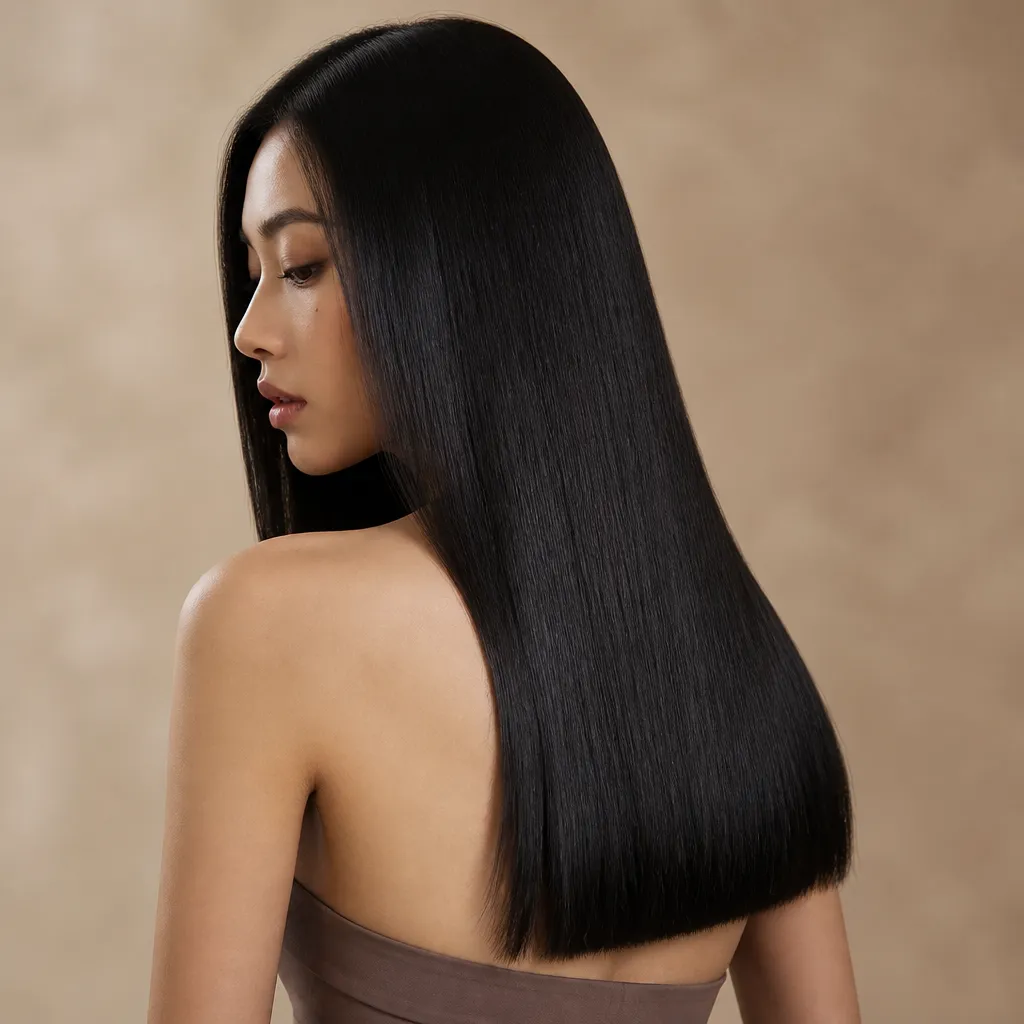
Long hairstyles are not only about growing hair out. Layers, face-framing pieces, and how the ends are finished change the whole silhouette. Long hair can soften angles or feel heavy around the jaw, depending on density and styling. If you want to keep length, Hairover is a way to compare layer patterns and movement on your own photo rather than guessing from someone else’s.
Long hairstyles are not only about growing hair out. Layers, face-framing pieces, and how the ends are finished change the whole silhouette. Long hair can soften angles or feel heavy around the jaw, depending on density and styling. If you like putting hair up, sleeping on a braid, or a ponytail, that is a reason to stay long even when a lob photographs well.
This long hairstyle guide covers long layers, face-framing cuts, blunt ends versus soft tapers, and waves or blowouts on length. It is useful if hair feels triangular, if you are growing out a shorter cut, or if you want movement without losing the option to wear hair up.
Hairover helps you compare those layer patterns on your own photo rather than guessing from someone else’s length.
Start here
Length is a choice about ends, layers, and framing, not only how far it grows.
The real decision
Bulk vs movement. Density decides more than face-shape rules.
In the chair
Point to where the shortest face-framing piece should sit.
Keep the length on purpose
If the job of your hair includes a ponytail, a clip, or a braid, say so before anyone “just takes a little.” Length below the shoulders and a long bob are both valid; they are not the same haircut. Decide whether you are reshaping long hair or actually ready to lose it.
Blunt ends read graphic and can look intentional on thick hair. Soft tapers remove weight. Layers add swing. These are three different long hairstyles, not one trim.
Long hairstyle ideas to compare
Long layers with movement
Removes bulk so length does not sit triangular. The first layer’s height is the detail that actually changes the silhouette. Too many short layers can make fine hair look thinner; longer, fewer layers often keep the ends looking full.
Face-framing pieces
Shorter ribbons near the face. Often worth exploring if long hair feels like a curtain that never opens. Point to where the shortest piece should sit: cheek, lip, or collarbone.
Blunt ends versus soft tapers
A blunt line can look like a decision. A taper is commonly recommended if the ends feel heavy or straw-like. Color-treated hair should be mentioned before a lot of length comes off.
Waves, blowouts, and air-dry length
The same long haircut can live two lives. Preview the unstyled version if that is most of your week. A cut designed only for a blowout can disappoint on wash day.
Long hair and face shape
Long hair does not automatically make a round face look rounder. Length below the chin with some height at the crown is commonly recommended as a starting point. A center part with no movement can emphasize width; a side part or a wave often changes that reading. Oval, square, heart, and diamond face-shape guides add detail once you have a silhouette.
See long layers on you first
Stand back enough to show true length, then take a closer shot of the face. Let hair fall as it does after a normal wash. A three-quarter turn shows how length sits on the shoulders, which is useful for judging layers.
In Hairover, compare blunt long hair, long layers, and a face-framed option. Take the still that matches how you actually live, then ask how much weight will come off. “Trim” and “reshape” are different amounts.
A calmer way in
How to choose a look
- 01
Keep the length on purpose
If you like putting hair up, sleeping on a braid, or a ponytail, say so. That is a reason to stay long even when a lob photographs well.
- 02
Choose the end of the story
Blunt ends read graphic. Soft tapers remove weight. Layers add swing. These are three different long hairstyles, not one.
- 03
Preview framing on your face
Face-framing pieces change how the jaw and cheekbones read. See them on your photo before you agree to “just a little around the face.”
Lookbook
Worth exploring
01
Long layers with movement
Removes bulk so length does not sit triangular. The first layer’s height is the detail that actually changes the silhouette.
02
Face-framing pieces
Shorter ribbons near the face. Often worth exploring if long hair feels like a curtain that never opens.
03
Blunt ends versus soft tapers
A blunt line can look intentional on thick hair. A taper is commonly recommended if the ends feel heavy or straw-like.
04
Waves, blowouts, low-maintenance length
The same cut can live two lives. Preview the unstyled version if that is most of your week.
In the chair
What to say
- Say whether you heat-style. A cut designed for a blowout can disappoint on air-dry days.
- Ask how much weight will come off. “Trim” and “reshape” are different amounts.
- If hair is color-treated, mention it before they take a lot of length.
- Point to a photo of the layer pattern, not only the overall length.
Before you upload
A useful photo
- Stand back enough to show the true length, then take a second closer shot of the face.
- Let hair fall as it does after a normal wash, not only after a blow-dry.
- A three-quarter turn shows how length sits on the shoulders, which is useful for layers.
On this site
Example styles
medium
Curtain Bangs
A center-parted fringe that opens around the face. Often used to soften a forehead or add a frame without committing to a full blunt bang.
Read the guidemedium
Layered Lob
A long bob with layers for movement. Often worth exploring if you want a clearer outline than long hair, without going fully short.
Read the guidelong
Soft Waves
A relaxed wave pattern that adds movement to medium or long hair. Often used to soften angles without a dramatic cut.
Read the guide
A useful map, not a verdict
Face shapes often discussed
Oval
A balanced outline that can wear many shapes. Texture and lifestyle still decide the cut.
Oval hairstyle guideSquare
Cuts that soften or complement a defined jaw. Both approaches are worth exploring.
Square hairstyle guideHeart
Wider at the forehead, narrower at the chin. Balance is the usual goal, not a single cut.
Heart hairstyle guideDiamond
Narrower forehead and jaw, wider cheekbones. Framing the mid-face is often the useful move.
Diamond hairstyle guideKeep looking
Related guides
Hairstyles for Women
Bobs, layers, bangs, and long styles to compare against your features.
Open guide →Short Hairstyles
Pixies, crops, and bobs that rely on cut and texture more than length.
Open guide →Curly Hairstyles
Cuts and shapes that work with curl pattern instead of fighting it.
Open guide →All hairstyles
Browse the index →
FAQ
Do long hairstyles need layers?
Not always. Blunt length can look intentional on thicker hair. Layers are often worth exploring if hair feels heavy, triangular, or hard to shape. The “right” layer pattern depends on density more than on a face-shape rule.
Can long hair work with a round face?
Yes. Longer length with some height at the crown or a side part is commonly recommended as a starting point. The result still depends on how the hair is cut around the cheeks and whether it is worn straight or with movement.
Should I cut long hair in layers if it is thick?
Often yes, if it feels heavy or triangular. The alternative is a blunt interior with a softer perimeter. Both can work; the difference is how much movement you want versus how graphic the ends look.
Does long hair make a round face look rounder?
Not automatically. Length below the chin with some height at the crown is commonly recommended as a starting point. A center part with no movement can emphasize width; a side part or a wave often changes that reading.


Google Play & App Store
Ready to find your next hairstyle?
Upload a photo in Hairover and try men’s and women’s haircuts on your own face (crops, fades, bobs, layers, and more), then take a still to the chair.