Taper & contrast
Fade Hairstyles
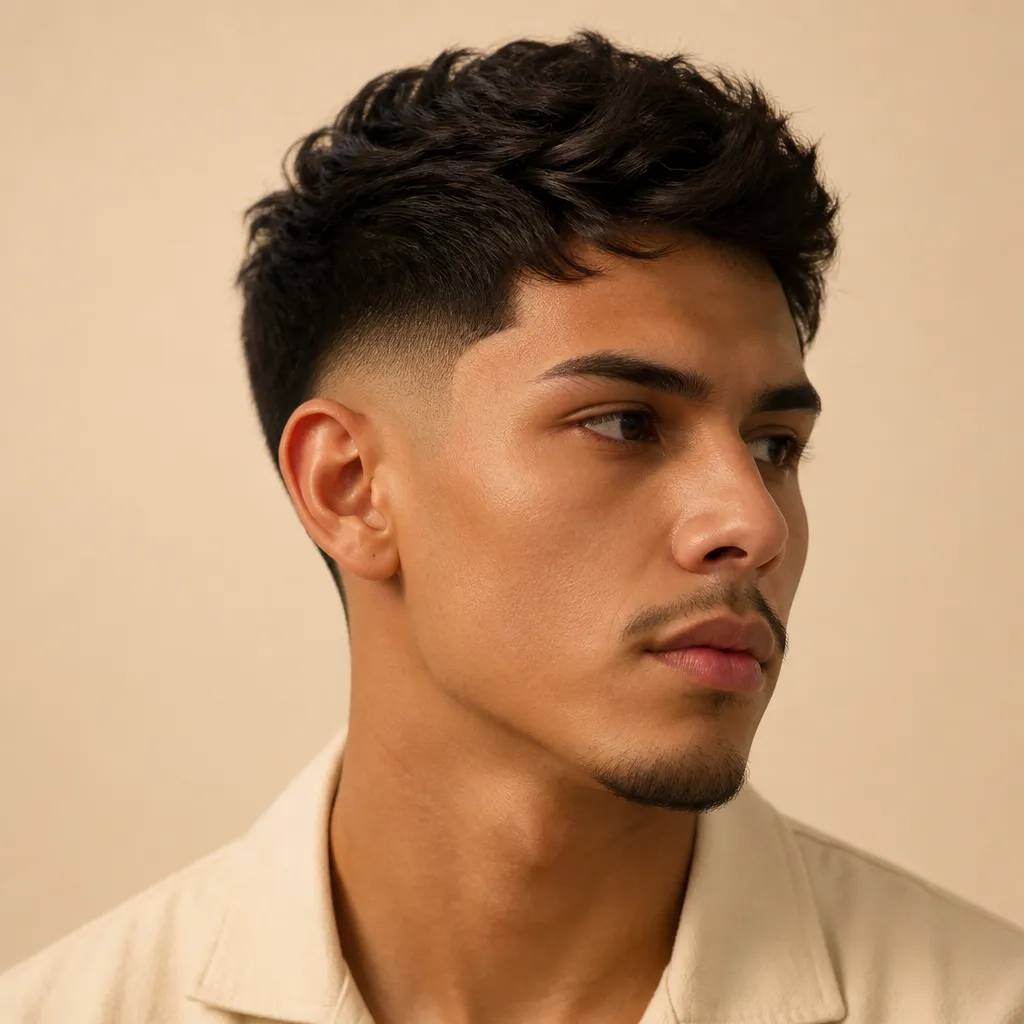
A fade is a gradual taper from skin or a very short side into longer hair on top. Low fades stay closer to the ear; high fades create more contrast. The same crop or curls on top can look completely different depending on where the fade sits. Hairover can help you compare that contrast against your head shape and hairline before you ask for a specific fade height.
A fade hairstyle is a gradual taper from skin or a very short side into longer hair on top. Low fades stay closer to the ear; mid fades add contrast; high fades and skin fades create a sharper outline. The same crop, curls, or side part on top can look completely different depending on where the fade sits.
This fade haircut guide is for men and women. A fade is a blend, not a gender. It shows up with textured crops, curly tops, pixies, tapered napes, and undercuts. Barbers do not use “mid fade” the same way in every shop, so a photo of the blend beats the label.
Hairover helps you compare that contrast against your head shape and hairline before you ask for a specific fade height.
Start here
A fade is the sides. The top is a second decision.
The real decision
Low, mid, or high: it is about contrast, not just “short on the sides.”
In the chair
Show the blend you want. Labels are not standardized.
Separate the top from the sides
Choose the top first (crop, curls, quiff, or side part), then the blend. If you argue about the nickname, you are often arguing about the wrong thing. A fade haircut is the sides. The style on top is a second request.
Then pick a fade height. Low stays near the ear and grows out quietly. Mid adds contrast without always going to skin. High or skin fades read sharper and need more upkeep if you like them clean at week two.
Fade hairstyles to compare
Low fade with a natural hairline
Less contrast, easier grow-out. Often worth exploring if you want a cleaner neckline without a graphic drop. Useful if you are growing the top out and do not want a high-contrast line fighting the length.
Mid fade with a textured crop
The common modern combination. Texture on top keeps the blend from looking severe. Point to where the fade should start (temple, ear, or higher) on a photo, not only with the words “mid fade.”
High-contrast skin fade
Maximum outline. Plan on more frequent visits if you like it sharp at day ten. That is when most people decide if they like the cut. Moles, scars, or a strong cowlick at the nape should be mentioned first.
Taper that keeps more weight
Not every short side is a fade. A taper shortens the nape and sideburns while leaving more bulk. It is a quieter option, and often easier to grow through than a high skin fade.
Who fade haircuts work for
Fades can be adapted across many hair types, but the finish depends on density and texture. Coarser or curlier hair often holds shape with less product; finer hair may need more texture on top to avoid looking flat. Women get fades with pixies, tapered napes, and undercuts. The same advice applies: preview the contrast, then find someone who cuts your texture.
Oval, square, round, and oblong head shapes change how graphic a high fade looks. See it on your photo before you name a number. If you are growing hair out, a lower fade or a taper is usually easier to grow through than a high skin fade.
Preview fade height in Hairover
Turn the head slightly so one side of the blend is visible, then take a straight-on shot. Keep the ears uncovered. Do not hide the neckline in a collar if you care about the taper.
In the app, compare a low fade, a mid fade, and a higher-contrast option on the same top length. Take the still of the blend you want. Ask how it looks at day ten. Labels are not standardized. The picture is.
A calmer way in
How to choose a look
- 01
Separate top from sides
A crop, curls, or a side part can all sit on a fade. Choose the top first, then the blend, or you will argue about the wrong thing.
- 02
Pick a fade height
Low stays near the ear and grows out quietly. Mid adds contrast. High or skin fades read sharper and need more upkeep.
- 03
Preview the contrast on you
The same fade looks different on a rounder head, a receding hairline, or dense curls. See it on your photo before you name a number.
Lookbook
Worth exploring
01
Low fades with a natural hairline
Less contrast, easier grow-out. Often worth exploring if you want a cleaner neckline without a graphic drop.
02
Mid fades with textured crops
The common modern combination. Texture on top keeps the blend from looking severe.
03
High-contrast skin fades
Maximum outline. Plan on more frequent visits if you like it sharp at week two.
04
Tapers that keep more weight
Not every short side is a fade. A taper shortens the nape and sideburns while leaving more bulk. It is a quieter option.
In the chair
What to say
- Point to where the fade should start: temple, ear, or higher.
- Say whether you want skin, or a shadow that never goes fully bald.
- Ask how this blend looks at day ten. That is when most people decide if they like it.
- If you have moles, scars, or a strong cowlick at the nape, mention them first.
Before you upload
A useful photo
- Turn the head slightly so one side of the blend is visible, then take a straight-on shot.
- Keep the ears uncovered. Fade height is judged against them.
- Do not hide the neckline in a collar if you care about the taper.
On this site
Example styles
A useful map, not a verdict
Face shapes often discussed
Oval
A balanced outline that can wear many shapes. Texture and lifestyle still decide the cut.
Oval hairstyle guideSquare
Cuts that soften or complement a defined jaw. Both approaches are worth exploring.
Square hairstyle guideRound
Looks that add height or a longer line are commonly recommended. Softness can still suit you.
Round hairstyle guideOblong
A longer outline that often benefits from width, bangs, or less extra height.
Oblong hairstyle guideKeep looking
Related guides
Hairstyles for Men
Crops, fades, texture, and longer looks worth exploring on your own photo.
Open guide →Short Hairstyles
Pixies, crops, and bobs that rely on cut and texture more than length.
Open guide →Curly Hairstyles
Cuts and shapes that work with curl pattern instead of fighting it.
Open guide →All hairstyles
Browse the index →
FAQ
What is the difference between a fade and a taper?
A taper usually shortens hair gradually around the neck and sideburns while keeping more weight. A fade typically continues that shortening into a much tighter, sometimes skin-visible blend. Barbers use the words differently, so references help more than the label alone.
How often do fades need a touch-up?
High-contrast fades often need more frequent visits to keep the blend clean. A lower fade or a softer taper can grow out more quietly. Your growth rate and how sharp you like the line will decide the schedule.
Can women get a fade?
Yes. A fade is a blend, not a gender. It is commonly explored with pixies, tapered napes, and undercuts. The same advice applies: preview the contrast, then find someone who cuts your texture.
Is a fade a bad idea if I am growing my hair out?
A high skin fade fights a grow-out because the contrast stays obvious as the top gets longer. A lower fade or a taper is usually easier to grow through. You can still clean the neckline without a full fade.


Google Play & App Store
Ready to find your next hairstyle?
Upload a photo in Hairover and try men’s and women’s haircuts on your own face (crops, fades, bobs, layers, and more), then take a still to the chair.