short · women
Pixie Cut
A short, shaped cut that relies on the outline around the face. Often worth exploring if you like a defined silhouette and quicker mornings.
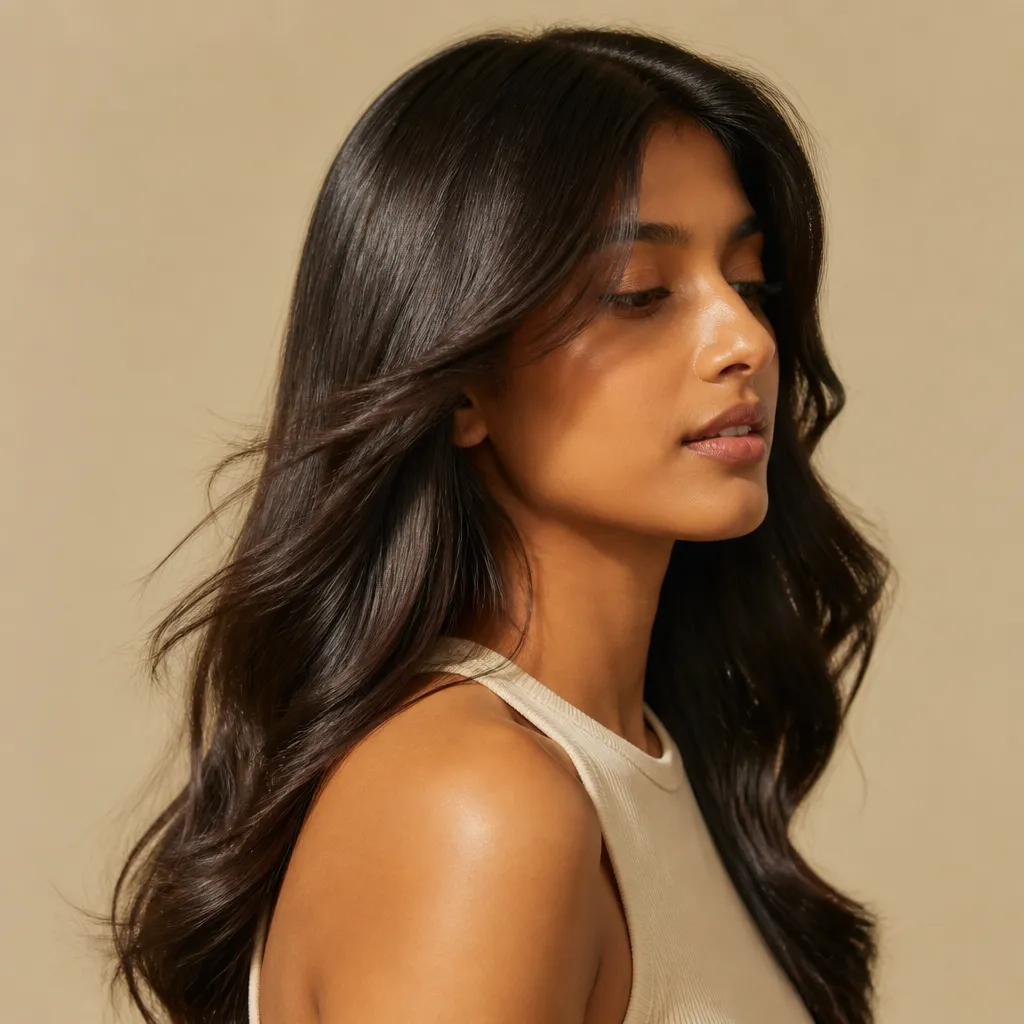
A pixie cut is short on the sides and nape, with more length left on top or at the fringe. It puts the haircut, and your face, fully in view. That can feel freeing if you are tired of managing length, and exposing if you are used to hiding behind it.
It is commonly recommended for oval and heart-shaped faces because the open forehead and cheekbones have room to show. Oblong faces often explore a pixie with bangs so the forehead does not get even longer. Square faces may like a pixie with a side-swept piece that breaks a straight jawline.
Texture matters as much as face shape. Fine hair can look sleek and close to the head; curly hair will sit higher once it dries. Ask to see the shape on your own hair pattern, not only on a straight-haired reference.
How to style a pixie cut day to day
A pixie rewards a short, repeatable routine more than a long one. On damp hair, work a small amount of matte clay or texturizing paste from the ends inward. Start with less than you think you need, since a little goes a long way on short hair. For lift at the crown, blow-dry the top section upward with a round brush or your fingers before adding product. If your pixie has a longer fringe, decide in the shower whether it is being pushed back, swept to one side, or left loose; each direction changes how the front reads.
Curly or wavy pixies often look better with a lightweight curl cream scrunched in rather than a heavier paste, which can weigh down the pattern instead of defining it. Skipping product entirely usually reads as flat rather than “natural” on a pixie, since there is little length left to create shape on its own.
Maintenance: trims, products, and growing it out
Pixies hold their shape for a shorter window than longer cuts, which is the main trade-off worth planning for. A trim every three to five weeks keeps the outline crisp; stretching past six weeks usually means the sides and nape grow out faster than the top, throwing off the proportions the cut depends on.
If you are not ready to commit to that schedule, ask your stylist for a “grown-out pixie” shape from the start: slightly longer at the nape and sides so the in-between weeks look intentional rather than shaggy. Growing a pixie out entirely does not mean starting from zero each time. A stylist can shape it into a cropped bob or a longer crop in stages, which is usually easier to live with than one long awkward phase.
A light, matte finishing product is generally more useful for a pixie than a shiny one, because shine on very short hair can look wet rather than styled. Dry shampoo at the roots on day two or three helps keep lift at the crown without a full rewash.
Related length to compare
If a pixie feels like a bigger step than you want right now, a textured crop keeps more length on top while still shortening the sides, and a layered lob is a middle ground if you would rather keep length but still want a clearer outline than long hair gives you.
Related hairstyles
Curtain Bangs
A center-parted fringe that opens around the face. Often used to soften a forehead or add a frame without committing to a full blunt bang.
Layered Lob
A long bob with layers for movement. Often worth exploring if you want a clearer outline than long hair, without going fully short.
Textured Crop
A short cut with movement on top and a tighter perimeter. Often worth exploring if you want a low-fuss shape that still has texture.
Face shapes often discussed
Related guides
From the journal
FAQ
Will a pixie work with a round face?
It can, especially with a little height at the crown or a longer piece near the cheek. A perfectly rounded, even pixie may echo a round outline, which some people want and others do not. A photo preview helps you see the difference before you commit.
How often does a pixie need trimming?
Most pixies need a trim every three to five weeks to keep the shape from softening into a mullet-like grow-out. If you prefer a slower schedule, ask for a slightly longer pixie with a softer nape rather than a very tight crop.
Can I style a pixie without much product?
A short pixie is one of the faster cuts to dry, but "no product" and "no shape" are different things. A small amount of clay or paste worked through damp hair takes less than a minute and keeps the cut from flattening by midday.
Is a pixie cut a big commitment?
More than a trim, less than people assume. A stylist can taper a growing-out pixie into a cropped bob rather than starting over, so you are not stuck choosing between "pixie" and "starting from scratch."
What hair type suits a pixie cut best?
Pixies work across straight, wavy, and curly hair, but the finish changes. Straight hair sits close and sleek; wavy hair adds texture without extra effort; curly hair will sit noticeably higher than it measures wet, so a curl-aware stylist should account for shrinkage before cutting.


Google Play & App Store
Ready to find your next hairstyle?
Upload a photo in Hairover and try men’s and women’s haircuts on your own face (crops, fades, bobs, layers, and more), then take a still to the chair.