
wolf cut · haircuts
Wolf Cut Ideas for 2027: Who It Suits and How to Askfor It
Wolf cut ideas for short, medium, long, curly, and straight hair, with who each version suits, how it grows out, and the exact words to use at the salon.
Hairover Team
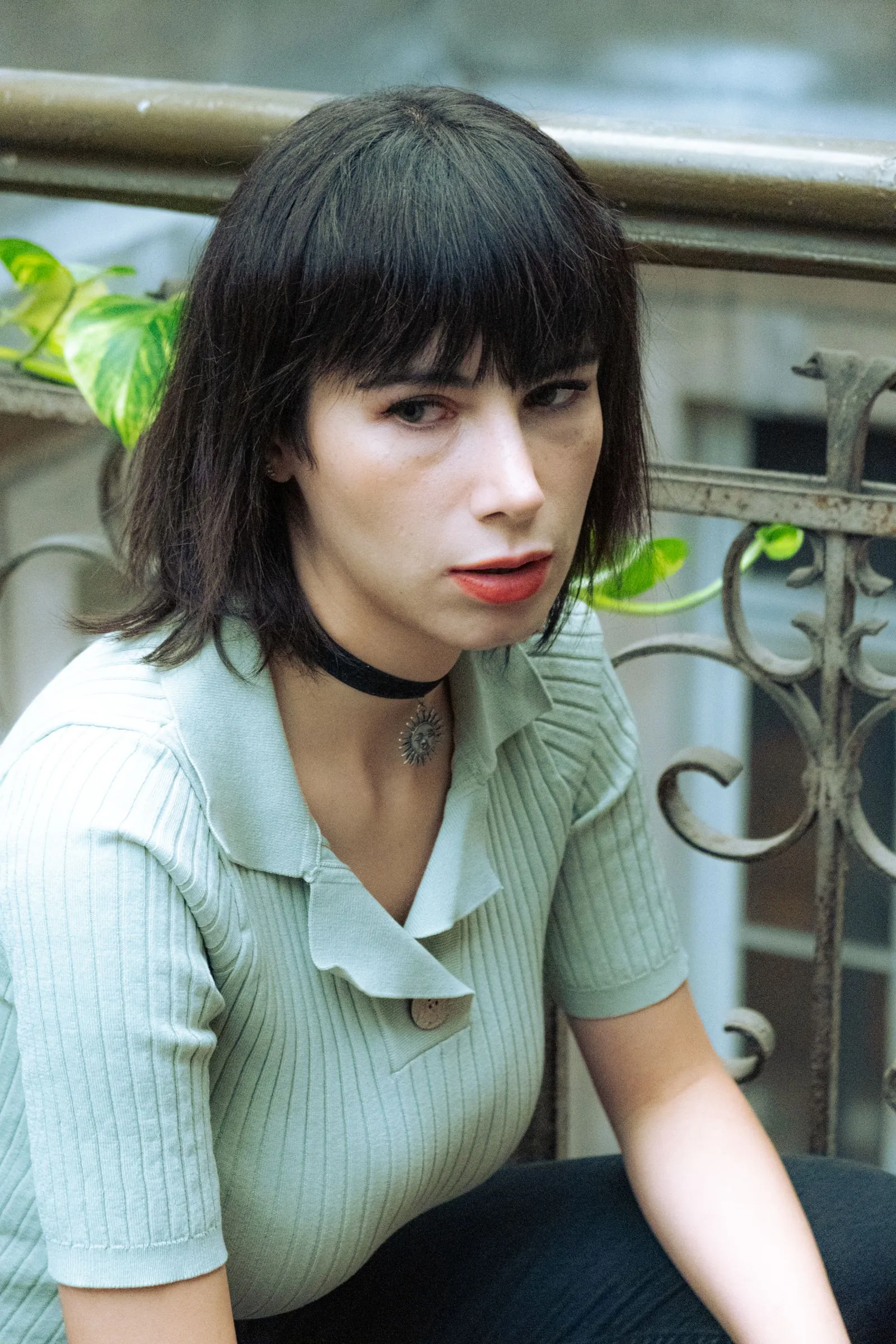
A wolf cut is a shag and a mullet merged into one shape: short, choppy layers at the crown, wispy length at the back, and face-framing pieces in front. The result is big on top and light at the ends. It suits wavy and thick hair most easily, but the cut can be adjusted for fine, straight, and curly hair if the stylist changes how much weight comes out. Going into 2027, softer and more blended versions are the easiest to wear.
The versions below differ mostly in length and in how strong the contrast is between the top and the back. That contrast is the setting to get right, because it decides whether the cut reads as wearable or as a statement.
Wolf cut vs. shag vs. mullet
These three get mixed up all the time, and the wrong word at the salon can give you the wrong cut.
- Shag: layers throughout, with more blending between the top and the ends. Softer and more forgiving.
- Mullet: a clear disconnect, with short top and sides and obvious length at the back.
- Wolf cut: sits in the middle. It has the shag’s crown volume and the mullet’s lighter back, but the sides stay longer than a mullet’s, so the outline still flows.
If you like the idea but not the drama, start with our shag haircut ideas. If you want more contrast, look at mullet haircut trends.
Soft long wolf cut
This is the easiest entry point. Length stays past the shoulders, layers begin around the cheekbone, and the back stays fairly full. It looks like long layered hair with extra lift at the crown, so it works in offices and schools without comment.
It suits wavy and straight hair of medium or thick density. Ask for “a soft, long wolf cut: crown layers starting at the cheekbone, keep my length, and leave the ends fairly full.”
Medium wolf cut
Shoulder length is where a wolf cut looks most like itself. The crown has real volume, and the shorter length means the layers do not get dragged flat by weight. This is also the version that holds up best on second-day hair.
It suits wavy hair especially well. Ask for “a shoulder-length wolf cut with choppy crown layers, a curtain fringe, and thinned ends at the back.”
Short wolf cut
A short wolf cut ends around the jaw or the top of the neck, with a little extra length at the nape. It sits close to a modern mullet, but the sides stay softer. Because the cut is compact, the crown volume stands out without much styling.
Fine hair often does better at this length than at a long one, since there is less distance for the ends to thin out. Ask for “a short wolf cut, jaw length at the sides, slightly longer at the nape, with texture through the top.”
Curly wolf cut
Curls add their own volume, so a curly wolf cut needs less thinning, not more. Too much weight removal leaves a puffy top and a sparse back. A good stylist will cut it dry or curl by curl so they can see where each curl lands.
Ask for “a curly wolf cut, cut dry, with stacked crown layers and curly bangs. Please leave more length than you think, since my hair shrinks when it dries.” Our guide to curly hairstyles covers other shapes if this one feels too bold.
Straight-hair wolf cut
Straight hair shows every layer line, so the cut has to be blended well. It also will not lift on its own. Expect to use a round brush at the roots or a little texture spray to get the shape you saw in the photo.
Ask for “a wolf cut with point-cut layers so the lines stay soft. My hair is straight, so please keep the back from getting too thin.”
Wolf cut with curtain bangs
Curtain bangs are the most common front for this cut because they blend straight into the crown layers. They also grow out gracefully, which matters if you are trying a fringe for the first time. See curtain bangs ideas for lengths and shapes.
Wolf cut with a full fringe
A full, choppy fringe gives a stronger, more rock-influenced look. It suits longer faces, because a fringe shortens the visual length of the face. It takes more upkeep, with trims roughly every three to four weeks.
Men’s wolf cut
On men, this is usually a medium-length cut with textured layers on top, length over the ears, and a longer back. It suits wavy hair and needs very little product. Ask for “a medium, layered cut with texture on top, length over the ears, and a slightly longer back, without a fade.”
Wolf cuts and face shape
- Round: keep the volume high on the crown and avoid width at the cheeks. Face framing should start below the cheekbone.
- Square: wispy pieces at the jaw soften strong angles.
- Oblong: go for a medium length with a fringe, and keep the crown height moderate so it does not add more length.
- Heart: add fullness around the chin, and keep the fringe light.
- Diamond: curtain bangs add width at the forehead, and they balance wide cheekbones.
- Oval: most versions work, so choose based on your texture.
Not sure which one you are? Our free face shape detector runs in the browser, and your photo stays on your device.
How to style a wolf cut
The whole point is texture, so aim to define the layers, not smooth them.
- Apply a little sea salt spray or light mousse to damp hair, mostly at the roots and through the mid-lengths.
- Rough-dry with your head tipped forward to lift the crown.
- Twist a few face-framing pieces around a finger while they dry.
- Finish with a small amount of paste or wax on the ends only.
Heavy oils and smoothing creams near the roots will flatten the crown, which removes the feature that makes this cut work.
Before you commit
A wolf cut is a big change from one-length hair, and short crown layers take months to grow out. Think honestly about two things first. Do you like wearing your hair with some mess in it? And does your hair hold volume at the roots, or does it fall flat by lunchtime? If it falls flat, you will either need daily styling or a softer version of the cut.
Related guides
See a wolf cut on your own photo
The same wolf cut can look very different on two people, depending on hair texture and face shape. Hairover lets you upload a clear photo, get a hair analysis, and try styles on your own face in Style Studio. Compare a long, soft wolf cut with a shorter one, save your favorites, and show them to your stylist.
FAQ
What is a wolf cut?
A wolf cut is a heavily layered haircut that combines the crown volume of a shag with the longer, wispy back of a mullet. The top is short and choppy, the ends are thin and light, and there is usually a curtain fringe or face-framing pieces at the front.
Does a wolf cut work on fine hair?
It can, but ask for a softer version. Removing too much weight from fine hair makes the ends look stringy. Fewer layers, a fuller perimeter, and a shorter overall length keep the shape looking deliberate.
How often does a wolf cut need a trim?
Most wolf cuts look good for eight to twelve weeks because they are meant to be a little messy. The fringe usually needs attention sooner, at around four to six weeks.
Is a wolf cut hard to grow out?
It takes some patience because the top layers are much shorter than the back. Most people move through a long shag stage, then a layered cut, with light trims that shorten the back so the layers catch up.