
mullet · haircuts
Mullet Haircut Trendsfor 2027
Mullet haircut trends for 2027, from soft and burst-fade mullets to curly, shag, and women's mullets, with who each suits and how to ask for it.
Hairover Team
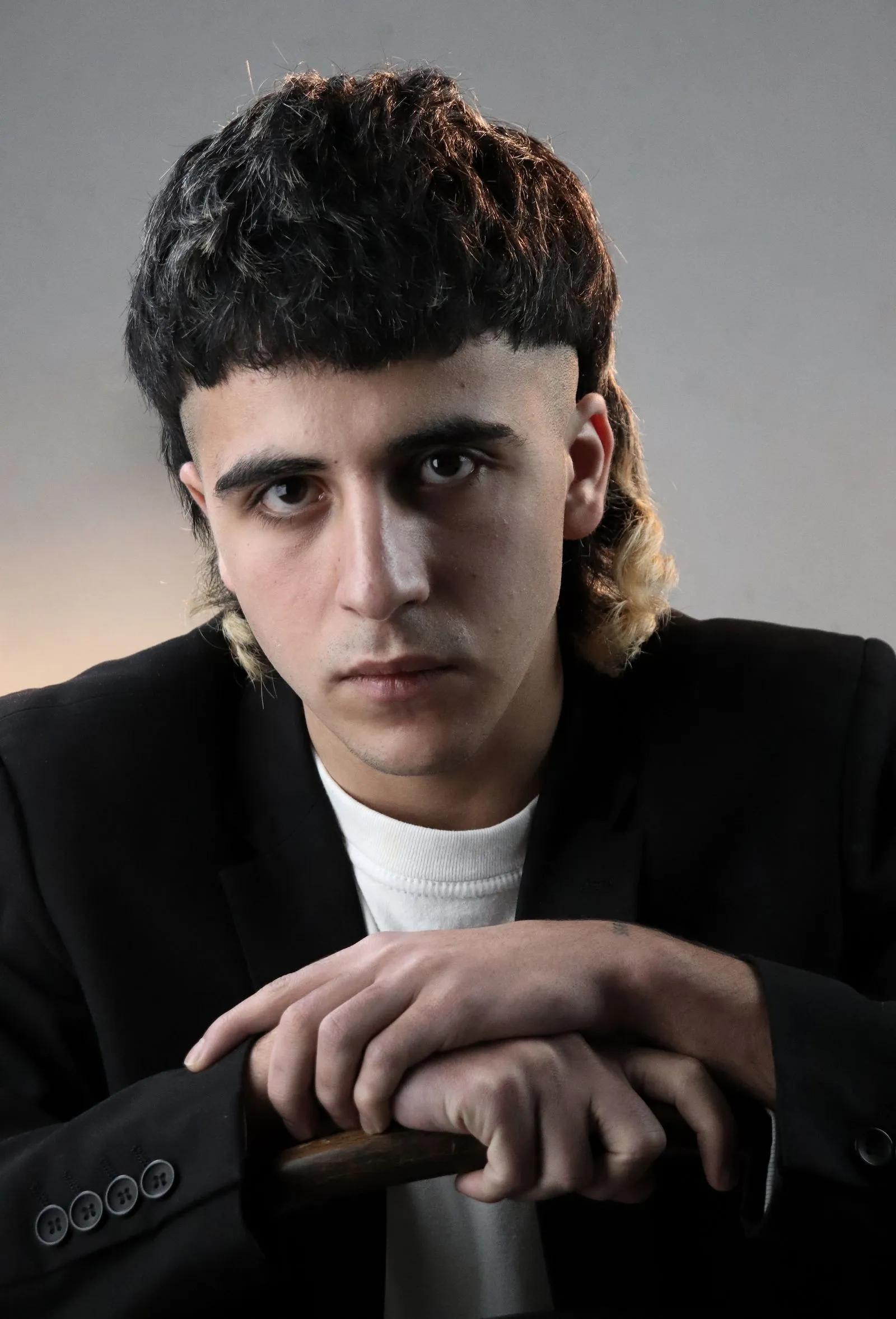
The mullet is still going strong heading into 2027, but the version people are asking for is softer and more blended than the bold, disconnected mullets of a few years ago. The most popular mullet 2027 styles are the soft mullet, the burst-fade mullet, the curly mullet, the shag mullet, and the women’s mullet. They keep the classic short-front, long-back shape, but use tapers, fades, and texture so the cut looks intentional rather than costume-like.
Below are the main mullet styles for 2027, who each suits, how much upkeep it needs, and what to say to your barber or stylist.
What makes a modern mullet different
The classic 1980s mullet had very short sides, a short top, and a long, often straight back, with a clear break between the sections. The modern mullet blends those sections. The sides are tapered or faded, the top is textured and a little longer, and the back flows out naturally with movement.
It is a more wearable cut. It can look relaxed for weekends and neat enough for many workplaces, especially when the back is kept shorter. That flexibility is the main reason the cut has lasted longer than many expected. It also grows out more gracefully than a sharp fade, because the transitions are already soft. The look is popular on Pinterest, Instagram, and in sport, particularly in rugby, football, and surfing culture, which has helped keep it current.
Soft mullet
The soft mullet is the entry point. The sides are tapered rather than faded, the top has two to three inches of texture, and the back is left an inch or two longer, just reaching the collar. It is subtle enough that some people would call it a long taper.
It suits straight and wavy hair, and oval, square, and oblong faces. It is also a good option if you are unsure about a mullet, because it can be cut back into a regular taper at the next appointment without losing much length. Upkeep is moderate: tidy the sides every four to five weeks and shape the back so it does not get shaggy. Ask for “a soft mullet: low taper on the sides, textured top, an inch or two of length left at the nape.”
Burst-fade mullet
The burst fade is a curved fade that wraps around the ear and drops toward the neck, leaving length at the back. It gives a sharper, more modern edge to a mullet. The fade can go to skin or stay a little longer.
It suits oval, square, and diamond faces, and is a good choice for round faces because the tight sides keep width down. It works on straight, wavy, and curly hair. Upkeep is higher, with a fade refresh every two to three weeks. Ask for “a burst fade around the ears, textured top, length left at the back for a mullet.”
Curly mullet
Curly hair makes a natural mullet, because curls give the back shape and volume. The sides are tapered, curls are left long on top and at the back, and the overall shape is rounded.
It suits curly and coily hair, and most face shapes. Curls also hide the transition between short and long sections, so the cut looks natural even as it grows. Find a barber comfortable with curls, and ask them to check the shape dry, since curls shrink. Ask for “a curly mullet with a low taper, curls left long on top and at the back, checked dry.” Our haircuts for thick, curly hair guide covers more curly shapes.
Shag mullet and wolf cut
The shag mullet blends a mullet with a shag: choppy layers at the crown, wispy pieces around the face, and longer length at the back. It is closely related to the wolf cut. It looks softer and more textured than a classic mullet.
It suits thick, wavy hair best, and oval or square faces. Upkeep is moderate. Ask for “a shag mullet: choppy crown layers, curtain-length face framing, longer and wispy at the back.” See our shag haircut ideas for 2027 for more on this family of cuts.
Women’s mullet
Women’s mullets are usually a cross between a shag and a mullet, with face-framing layers, curtain bangs, and noticeably longer length at the back. They read as edgy but still soft.
The cut suits wavy and curly hair, and oval, heart, and oblong faces. Straight hair can wear it too, but usually needs texture spray to stop the layers from lying flat. It works well for people who want a bold change without going very short. Upkeep is moderate, with trims every six to eight weeks. Ask for “a feminine mullet: shorter, choppy layers on top and around the face, curtain bangs, longer and lighter at the back.”
Mullets and face shape
- Round: go for height on top and tight sides, like a burst-fade mullet.
- Square: most mullets work. A soft mullet balances a strong jaw.
- Oblong: avoid too much height on top. Fuller sides or a fringe help.
- Oval: wears almost any mullet.
- Heart: a women’s mullet or shag mullet with volume around the jaw.
- Diamond: a soft mullet with some fullness at the forehead.
If you are not sure of your shape, the free face shape detector gives a quick read from a photo.
How to ask your barber for a mullet
Mullets vary a lot, so bring photos from the front, side, and back. Be specific about three things: how short the sides should be (a clipper number or “taper” vs “fade”), how much length on top (in inches), and how long the back should be (just past the collar, or longer). Say whether you want a smooth transition or a slightly disconnected one.
Tell your barber how you wear your hair day to day, too. If you never use product, ask for a shape that falls into place on its own. If you work somewhere conservative, ask for a shorter back that you can tuck into a collar.
If you are growing one from a short cut, ask your barber to keep the sides and top tidy while the back grows. It takes patience, but regular shaping trims stop it from looking unkempt in between.
Styling a mullet
Most mullets need very little styling.
- Texture spray or sea salt spray on damp hair gives movement.
- Rough-dry with your fingers, pushing the top forward or up.
- Matte paste defines the top without shine.
- Curl cream for curly mullets, then air-dry or diffuse.
Avoid making the back too sleek, since the movement is part of the appeal. If the back starts to flick out awkwardly as it grows, a little cream smoothed through the ends helps it lie in a better direction until your next trim.
Wash days matter too. Many mullets look best on the second day, once natural oils give the top some grip. If your hair gets greasy quickly, a little dry shampoo at the roots of the top section adds volume without washing the whole head.
Try a mullet on your own photo first
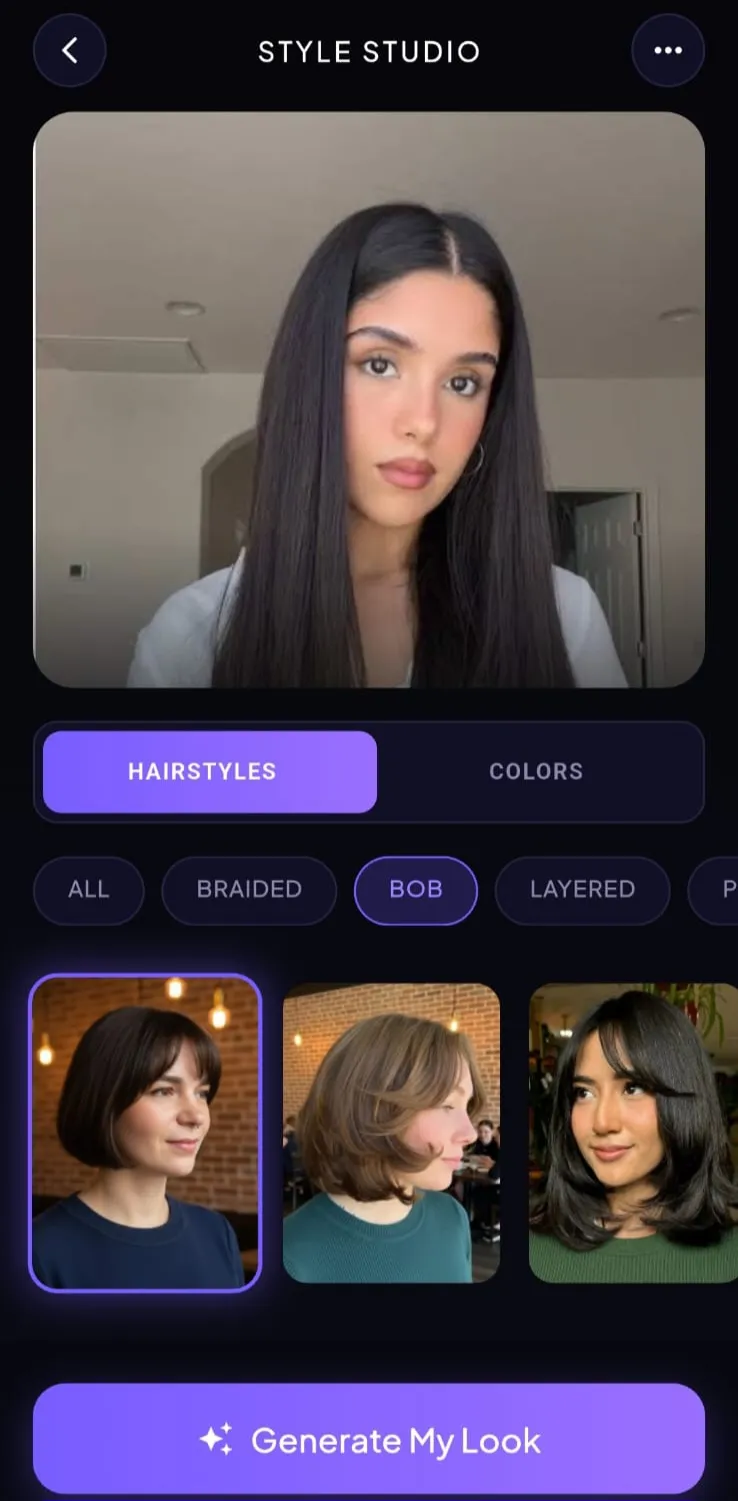
A mullet is a statement, so it helps to see it before you commit. Hairover lets you upload a clear photo, get recommendations with a match score, and try hairstyles on your own face in Style Studio. Browse our hairstyle guides for more ideas, then compare a soft mullet with your current cut.
FAQ
Is the mullet still in style for 2027?
Yes, in a softer form. Blended mullets, burst-fade mullets, and shag-mullet hybrids are still widely seen on Pinterest, Instagram, and barbershop feeds. The harsh, sharply disconnected version is less common.
What is a modern mullet?
A modern mullet keeps the short-front, long-back shape, but blends the sides and back with a taper or fade and adds texture on top, so the transition looks gradual rather than abrupt.
Does a mullet suit a round face?
It can. Keep height on top and the sides tight, such as with a burst fade, so the cut adds length to the face rather than width.
How long does it take to grow a mullet?
It depends on your starting length and growth rate. From a short cut, expect a few months before the back has enough length to read clearly as a mullet. A barber can shape the sides and top while the back grows.