short · men
Classic Fade
A gradual taper from the sides into longer hair on top. The fade height changes the contrast as much as the style on top does.
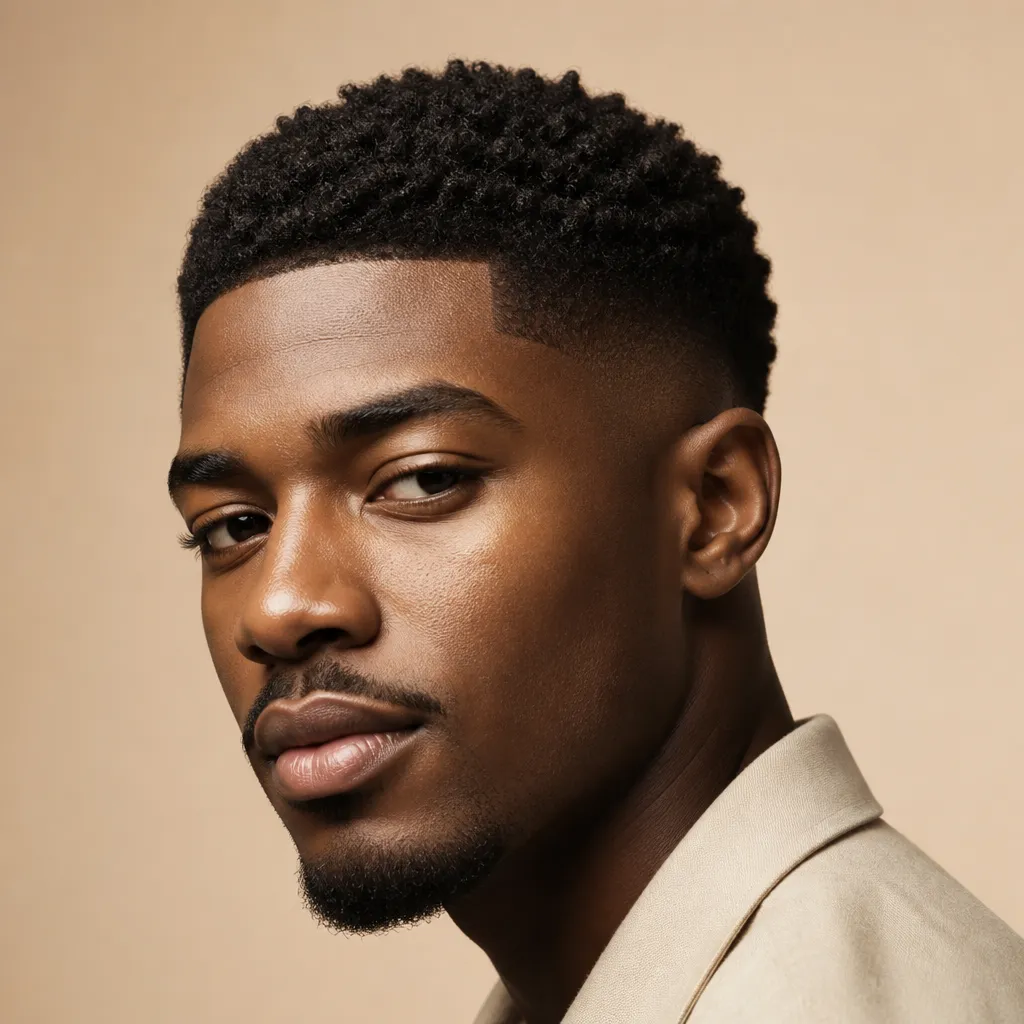
A fade is a blend: hair gets shorter as it moves down the sides and neck, sometimes to skin. The style on top (a crop, curls, a side part) is a separate decision. That is why “fade” on its own is not a complete haircut request.
It is commonly recommended when you want a cleaner perimeter and a clearer outline. Square and oval faces often wear that structure well. On oblong faces, a lower fade is frequently worth exploring so the overall silhouette does not get taller.
Take a reference that shows both the blend and the top length. Barbers interpret “mid fade” differently; a photo removes most of that guesswork.
Choosing a fade height
The height of the fade is the single biggest lever on how the haircut reads. A low fade sits near the ear and blends gradually, which tends to look sharp for longer between visits and suits most workplaces without feeling severe. A mid fade moves the blend up toward the temple, adding more visible contrast between the short sides and the top. A high or skin fade takes the tightest section furthest up the head, which reads the most graphic but also grows out the fastest. Usually within a week or two, the line starts to soften.
If you are new to fades, starting lower is generally the easier decision to live with. You can always ask for more height at the next visit once you have seen how it looks day to day.
What sits on top matters as much as the fade
A fade is only half the haircut. Short textured hair on top keeps the whole look low-maintenance and works well with any fade height. A slightly longer top with a side part reads more classic and pairs naturally with a lower fade. Curlier or coilier hair on top can carry more height and volume, which often looks best with a mid or low fade rather than a very high one that competes with the curl pattern for attention.
Bring a reference photo that shows the top length you want in addition to the fade height. “Fade” tells a barber about the sides, not about what happens above them.
Keeping a fade looking sharp
Fades lose their crisp line faster than almost any other haircut, simply because the shortest hair grows in fastest relative to the rest. A light pomade or matte paste on top helps define texture without making a short fade look greasy at the sides. Between visits, a few strokes with clippers at home along the neckline (not the fade line itself) can buy an extra few days if you know how to use them safely. Otherwise, just book slightly more often.
If your hair or scalp gets dry between cuts, a small amount of light oil or moisturizer on the scalp can prevent flaking that shows up more visibly against very short, faded sides.
Related cuts worth comparing
A textured crop pairs naturally with any of these fade heights if you want more length and movement on top. If you are considering going shorter overall, browse short hairstyles for more options at a glance.
Related hairstyles
Pixie Cut
A short, shaped cut that relies on the outline around the face. Often worth exploring if you like a defined silhouette and quicker mornings.
Textured Crop
A short cut with movement on top and a tighter perimeter. Often worth exploring if you want a low-fuss shape that still has texture.
Face shapes often discussed
Related guides
From the journal
Best Haircuts for a Receding Hairline
With a receding hairline, the goal is less contrast, not more cover. Here's why shorter, textured cuts usually beat a heavy fringe, and which cuts to ask your barber for.
Haircuts for Thick, Curly Hair (Men)
Thick, curly hair behaves differently from straight hair at every length. It shrinks, it holds shape with little product, and a careless fade fights the pattern. Here's what to ask for.
Low-Maintenance Men's Haircuts, Ranked by How Often They Need a Trim
Low-maintenance usually means one thing, which is how many weeks you can go between barber visits before the cut looks grown out. Here's that list, from least to most upkeep.
FAQ
What fade height should I ask for?
Low fades stay closer to the ear and grow out more quietly. Mid fades add more contrast. High or skin fades read sharper and usually need more frequent touch-ups. Previewing the contrast on your own photo is more useful than memorizing the labels.
Can a fade work with curly hair?
Yes. Curly and coily hair often holds a strong shape on top while the fade cleans the sides. Ask for a barber who regularly cuts your texture so the blend does not fight the pattern.
How often does a classic fade need a touch-up?
A low fade can often stretch to three or four weeks before it looks grown out. A mid or high fade usually needs a visit every two to three weeks, since the contrast at the blend line is the first thing to soften.
What is the difference between a fade and a taper?
A taper shortens hair gradually around the neck and sideburns while keeping more weight throughout. A fade continues that shortening into a much tighter blend, sometimes down to skin. Ask to see both on a photo, because the words alone are not standardized between barbershops.
Does a fade suit thinning hair or a receding hairline?
Often, yes. Keeping the sides short and blended reduces the visual gap between hair and skin, and a shorter top avoids drawing extra attention to the hairline. A very high skin fade can sometimes make a receding hairline more obvious by increasing contrast, so a lower fade is worth comparing first.


Google Play & App Store
Ready to find your next hairstyle?
Upload a photo in Hairover and try men’s and women’s haircuts on your own face (crops, fades, bobs, layers, and more), then take a still to the chair.