
fade · men
Low vs. Mid vs. High Fade: Which One ShouldYou Get?
Low, mid, and high fades compared by where they start, how they change your face, how fast they grow out, and which one to ask for based on your hair and job.
Hairover Team
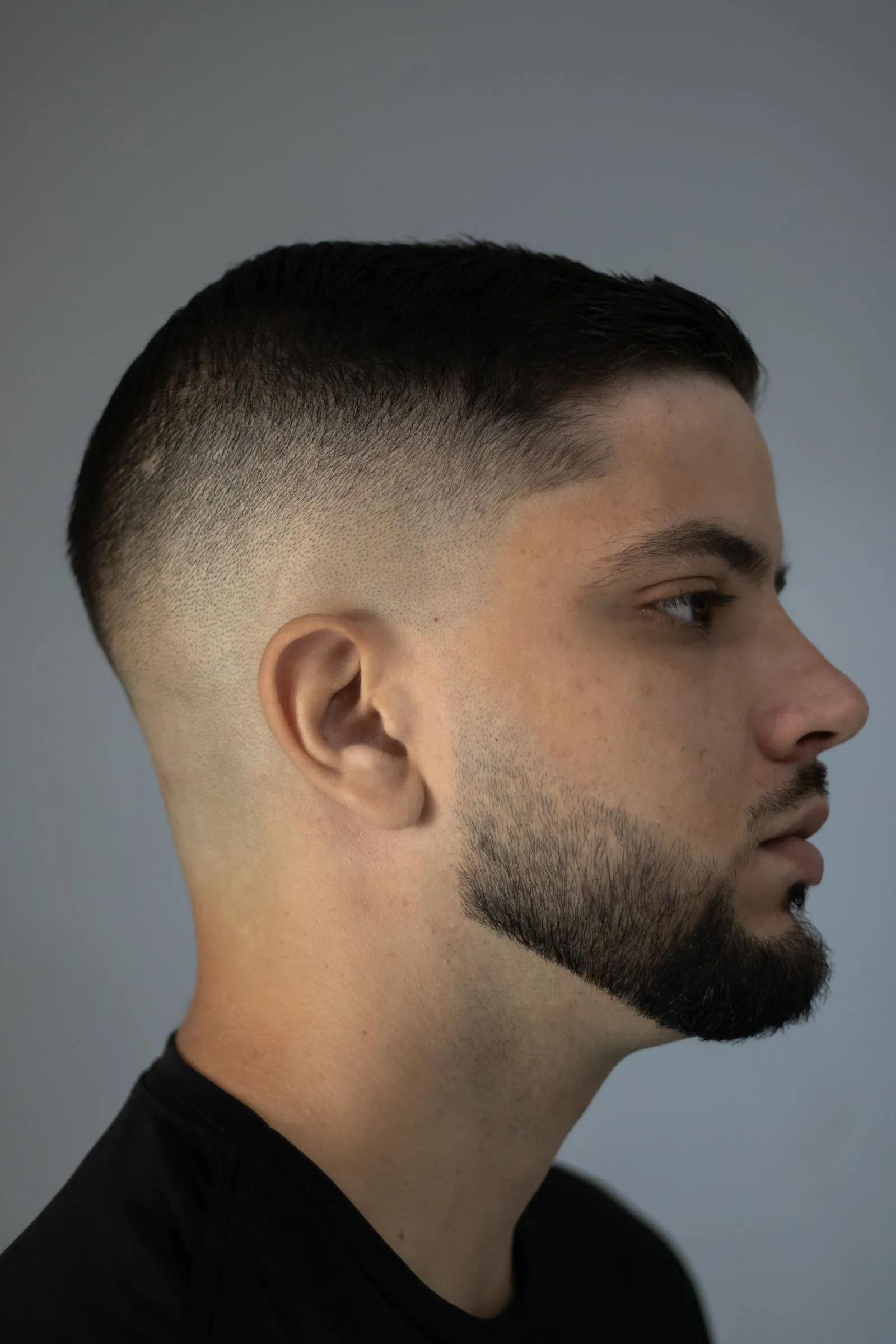
The difference between a low, mid, and high fade is simply where the fade begins. A low fade starts just above the ear, a mid fade starts around the temple, and a high fade starts near the top of the head. Higher means more contrast, a bolder look, and more trips to the barber. If you are unsure, start low. A barber can always take it higher in the same appointment, but going back down means waiting for your hair to grow.
Quick comparison
| Low fade | Mid fade | High fade | |
|---|---|---|---|
| Starts at | Just above the ear | Temple area | Near the top of the head |
| Contrast | Subtle | Moderate | Strong |
| Looks sharp for | 3 to 4 weeks | 2 to 3 weeks | 1 to 2 weeks |
| Work-friendly | Almost always | Usually | Depends on workplace |
| Grow-out | Gentle | Noticeable | Most noticeable |
These timings are rough. Hair that is darker, thicker, or straighter usually shows regrowth sooner, and curly hair tends to hide it longer.
Low fade
A low fade keeps most of the hair on the sides, and only the area right above the ear and along the neckline gets very short. It looks tidy without drawing attention to itself, and that makes it the safe first choice.
Good if: you work somewhere conservative, have a receding hairline, or want to spend less on visits. It also keeps sides fuller if your head is narrow or your face is long.
Less good if: you want a really bold shape, or if your thick hair builds up bulk above the fade. It can leave a heavy-looking band at the sides.
Our classic fade guide shows how a low fade looks with different tops. For a hairline-focused view, see haircuts for a receding hairline.
Mid fade
A mid fade starts around the temple and takes the short section further up the head. There is a clear change in length, so the cut looks deliberately shaped, but it is not so high that it takes over.
Good if: you want something versatile. It suits most hair types and most tops, and most barbers do this one all day long.
Less good if: you have a round face and want height, in which case a higher fade may do more. Also, if your job has strict appearance standards, it is worth looking at a low fade first.
High fade
A high fade takes the sides short almost to the top of the head, which leaves a strong contrast between sides and top. It is the sharpest look of the three, and it is especially popular with short textured tops and coily hair.
Good if: you want a strong silhouette, or your face is round and you want to add length. Removing width from the sides makes the face look narrower.
Less good if: your face is long, because it adds even more visual length. It also needs regular visits. If your hairline is receding, it can make that more obvious too. Our men’s haircut trends has other options if you are looking for something bold.
Fade height vs. fade depth
Height says where the fade starts, and depth says how short it gets. They are separate choices, so a low fade can still go down to skin.
- Skin (or bald) fade: goes to bare skin at the shortest point. Very crisp, with a shorter lifespan.
- Shadow fade: stops at a very short length, usually around a 0.5 or 1 guard, so it does not reach skin. Softer and easier to keep up.
- Drop fade: curves down behind the ear to follow the head shape. It works at any height.
- Burst fade: curves around the ear and leaves length at the back.
- Taper fade: fades only at the sideburns and the neckline. See our taper fade guide for a full breakdown.
If you want to be precise about depth, our guide to haircut numbers and guard sizes explains exactly what each number means.
Which fade for your face shape
- Round: mid or high. Taking width from the sides and adding height on top lengthens the face.
- Square: any height works. A low fade softens a strong jaw, while a high fade emphasizes it.
- Oblong: low. High fades can make a long face look longer, so keep some side width.
- Oval: any height, so choose based on how much upkeep you want.
- Heart: low to mid, since very short sides can make the top of the head look wider by comparison.
- Diamond: low to mid, with some length left around the temples and sideburns.
If you are not sure which shape you have, our free face shape detector can help. It runs in the browser, and your photo stays on your device.
Which fade for your hair type
Straight hair shows the blend clearly, so this is where a skilled barber matters most. A dark, straight fade also shows regrowth quickly, so low and mid fades are more practical.
Wavy hair is forgiving. Any height works, and waves on top help it look natural.
Curly and coily hair works with every height, and a high fade around a rounded top is a classic look. Curly hair also tends to hide regrowth, which can stretch the time between visits.
Thin or fine hair usually does better with a lower fade. A big contrast can show more scalp on top, so a gentle blend is less revealing. Our guide to haircuts for thinning hair has more on this.
How to ask for a fade
Say the height, the depth, and how you want the top. For example:
“I’d like a mid skin fade, starting around the temple. Please leave about two inches on top with a bit of texture, and a natural neckline.”
Show a photo from the side and the back as well as the front. A photo gets past any differences in how barbers use these terms, since some barbers’ “mid” is someone else’s “low.” And if you are nervous, say so, and ask them to start low and check with you before going any higher.
Related guides
See the height difference on your own photo
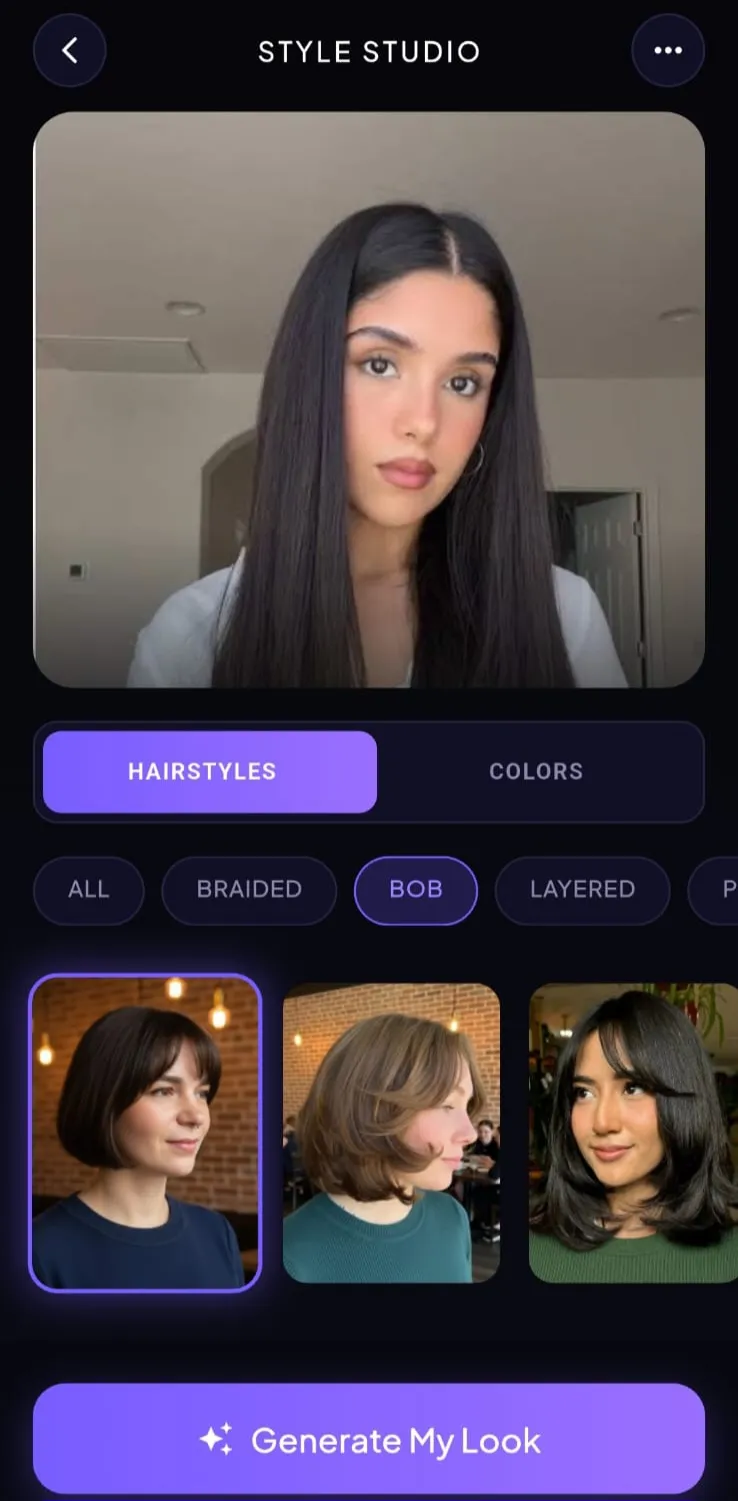
A centimeter on the fade line can change the whole shape of your head and face, and it is hard to imagine that from photos of other people. Hairover lets you upload a clear photo, get a hair analysis, and try hairstyles on your own face in Style Studio. See how different fades compare, and bring the one you prefer to your barber.
FAQ
What is the difference between a low, mid, and high fade?
The difference is where the fade starts. A low fade starts just above the ear, a mid fade starts around the temple, and a high fade starts near the top of the head where it begins to curve. The higher the fade, the more contrast the cut has.
Which fade looks best on most people?
A mid fade is the most common default, since it has clear shape without too much contrast. A low fade is the safest if you are trying a fade for the first time, because it is the easiest to change later.
Which fade lasts the longest?
A low fade usually looks good for the longest, at around three to four weeks, since regrowth is less visible. A high skin fade can start to look grown out after one to two weeks.
Can a barber change a high fade to a low fade?
Not right away. Hair has to grow back before a barber can lower the fade line. Going from low to high can be done in a single visit, so if you are not sure, start low and move up.