
hime cut · women
Hime Cut: What It Is and How toWear It
The hime cut explained, including its origins, the blunt sidelocks and straight fringe, who suits it, how to ask your stylist, and how much upkeep it really takes.
Hairover Team
A hime cut combines long hair with a blunt fringe and straight sidelocks that end at about cheek or chin length. “Hime” means princess in Japanese, and the look has roots in Japan’s Heian court. It’s bold and graphic, and it works best on thick, straight hair. It needs regular trims to stay sharp and may need daily straightening if your hair has any wave.
What makes a hime cut
- Long lengths. Usually one length, down past the shoulders.
- Blunt sidelocks. Straight panels on each side, usually ending around the cheek or chin.
- A straight fringe. Often heavy and at or above the eyebrows.
- Clear, sharp steps. There is deliberately little blending.
It’s close to a butterfly cut in having two levels, but with much sharper lines. Compare the softer idea in layers vs. a butterfly cut.
Who it suits
Hair type. Thick, straight hair is ideal. Fine hair can work, but the sidelocks can look thin. Wavy hair needs a flat iron for the sharp look.
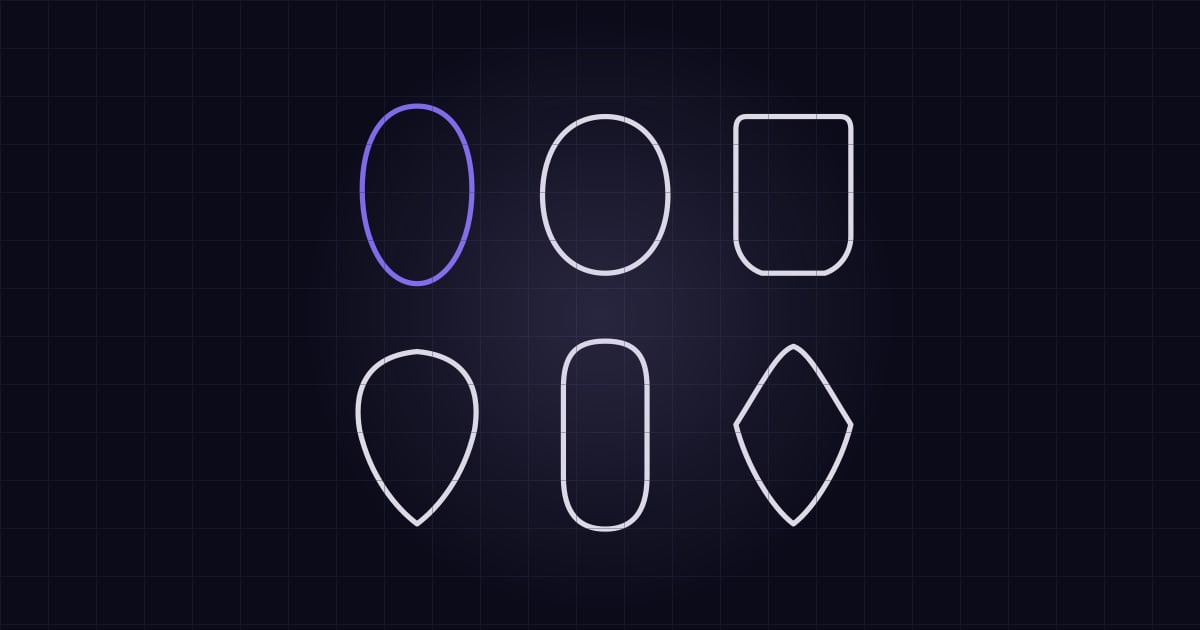
Face shape.
- Oval: wears nearly any version.
- Oblong: the fringe and sidelocks both help to shorten the face.
- Heart: sidelocks ending at the chin add balance.
- Round: let the sidelocks fall below the chin, and keep the fringe lighter.
- Square: soft ends will reduce the emphasis on the jaw, if you’d prefer that.
Check your outline with our free face shape detector.
Variations
Classic hime. Heavy blunt fringe, and cheek-length sidelocks.
Soft hime. Slightly feathered ends and a lighter fringe. It’s easier to wear every day.
Layered hime. Blended sidelocks that look more like long face framing.
Hime with curtain bangs. A softer take on the front, for those who don’t want a full fringe. See curtain bangs ideas.
Short hime. Applied to a bob, for a bold silhouette.
How to ask
Stylists may not all know the name, so describe it, and bring photos:
“A straight fringe at my eyebrows, with blunt sections on each side ending at my cheekbones. Please leave the rest long and one length, and keep the lines sharp.”
Ask how each panel will fall when it’s tucked or tied. Your stylist should also check how the fringe sits with any cowlick.
How to style it
- Blow-dry straight, with the nozzle pointing down. See how to blow-dry your hair.
- Use a flat iron on the panels and fringe if you need it, with a heat protectant.
- Add a little serum for shine.
Upkeep
The fringe needs a trim about every three to four weeks, and the sidelocks about every four to six. The back can wait much longer. It’s a commitment, but small trims keep it sharp. And see full vs. wispy bangs if you are worried about a heavy fringe.
Respect the roots
The cut has a real history in Japanese culture, and it’s fine to enjoy it as a fashion style. It helps to know where it comes from.
Related guides
Before you commit
It’s a strong look, and the short panels won’t fit in a ponytail for a while. Upload a clear photo to Hairover, get a hair analysis, and try hairstyles on your own face in Style Studio first.
FAQ
What does hime cut mean?
Hime means princess in Japanese. The style is linked to Japanese court women of the Heian period, and it has gone on to appear widely in modern fashion and anime.
Does a hime cut work on curly hair?
It works best on straight hair, since the look relies on blunt, sharp lines. Wavy or curly hair needs straightening to keep the shape, which adds heat styling and upkeep.
Can I grow out a hime cut?
Yes. The sidelocks and fringe grow into long face-framing layers and bangs. The in-between stage is fairly easy, since the pieces can be tucked behind the ears or blended.