
hair color · highlights
Highlights vs. Lowlights: What'sthe Difference?
Highlights vs. lowlights compared by what each does to your color, who needs which, and upkeep, with how they work on gray hair and what to ask your colorist.
Hairover Team

Highlights are strands that are lighter than your base color, adding brightness. Lowlights are strands that are darker than your base color, adding depth. Use highlights if your hair looks dull or you want to go lighter. Use lowlights if your hair looks flat or too blonde, or if your color has become one solid tone.
Side by side
| Highlights | Lowlights | |
|---|---|---|
| Color | Lighter than base | Darker than base |
| Effect | Brightens, lifts | Adds depth, richness |
| Usually uses | Lightener | Deposit color |
| Damage risk | Higher | Lower |
| Regrowth | More visible on dark hair | Usually softer |
| Works well for | Dull, dark, or mousy hair | Over-lightened or flat hair |
Who needs highlights
If your color feels dull, highlights add dimension and can make hair seem thicker by creating contrast. Our comparison of balayage vs. highlights explains the methods colorists use. Dark hair may need several sessions to lift to a lighter tone, so ask about the plan first.
Who needs lowlights
If your highlights have grown too bright and uniform, lowlights bring back the depth. They are also a useful way to go darker gradually and to add warmth in the colder months. Fine hair benefits too, as the shadow between tones creates the look of more density.
Using them on gray hair
Gray hair can be blended rather than covered. Lowlights can add depth to gray that feels too stark, and highlights can soften the contrast between gray and your darker hair. Our guide to hairstyles for women over 50 covers how gray hair behaves.
Which should you pick?
Hold your hair up in daylight and ask:
- Does it look like one flat color? Add both, or whichever moves you toward your goal.
- Is it too light or brassy? Lowlights, and perhaps a toner or gloss.
- Is it too dark or dull? Highlights.
- Is it fragile? Lowlights first, and treat the hair before you lighten it.
Keeping color fresh
Use a color-safe shampoo, and a purple shampoo now and then for cool blondes. Refresh your toner every couple of months if you need to. Protect your hair from heat and sun, since both speed up fading.
What to tell your colorist
Bring photos taken in natural light, and describe your color history honestly. Ask them to explain how the color will grow out, and when you will need to come back. This often decides which option actually suits you.
Related guides
Think about the cut too
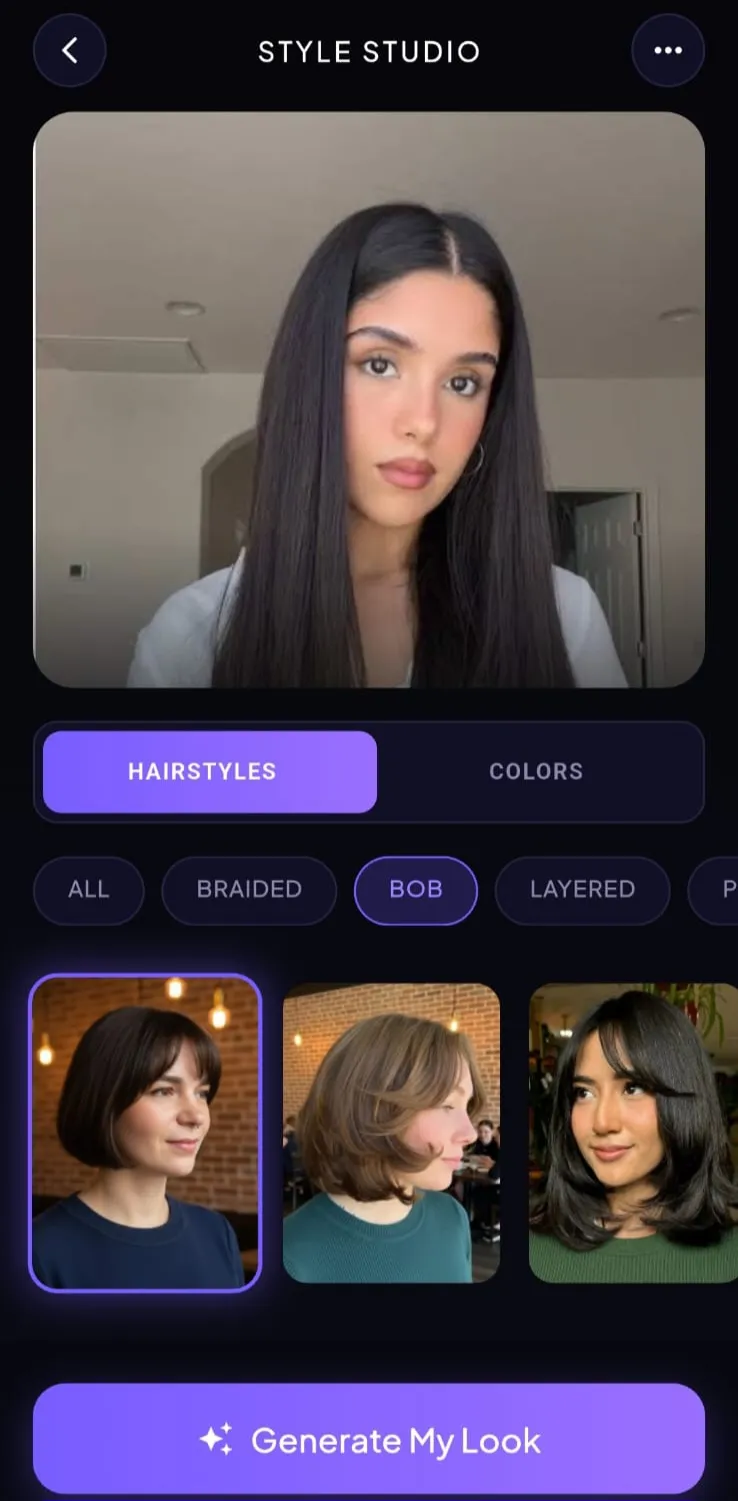
Dimension shows up best on layers and movement. Upload a clear photo to Hairover, get a hair analysis, and try hairstyles on your own face in Style Studio, so you can plan your cut and color together.
FAQ
Do lowlights damage hair?
Usually less than highlights. Lowlights deposit darker color and often do not need lightener, although any chemical service can affect hair, especially if it is already fragile.
Can you have highlights and lowlights together?
Yes, and it is a common way to create natural-looking dimension. The lighter and darker pieces make each other stand out.
Are lowlights good for gray hair?
They can be. They add depth and make gray look less stark. Combined with highlights, they often help blend gray so regrowth is less visible.