
undercut · fade
Undercut vs. Fade: What'sthe Difference?
Undercut vs. fade explained, with how the blend differs, what each grows out like, which suits long hair on top, and exactly how to ask your barber.
Hairover Team
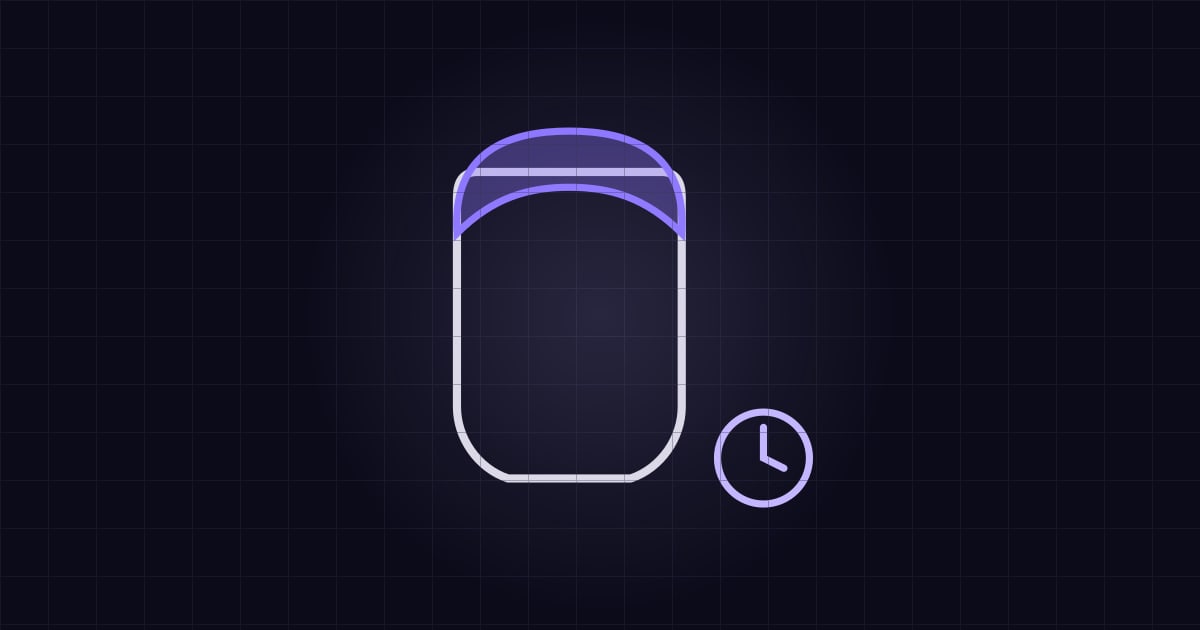
A fade blends gradually from very short at the bottom into the longer top, with no visible line. An undercut keeps the sides one short length and has a clear, sudden jump up to a much longer top. Fades look clean and work with almost any length. Undercuts look bolder, and they suit longer hair on top.
How they compare
| Undercut | Fade | |
|---|---|---|
| Transition | Sudden, disconnected | Gradual, blended |
| Top length | Usually long | Any length |
| Sides | One short length | Graduated |
| Styling | The top needs styling | Depends on the top |
| Grow-out | Awkward | Gradual |
| Hide it? | Yes, longer top can cover it | No |
Why choose an undercut
An undercut makes it possible to have long hair on top without the bulk underneath. For very thick hair, this is a real relief. The top can fall over the sides to hide the short section, or it can be slicked back or tied in a bun to show it off. That flexibility helps if your workplace is conservative. See long hairstyles for men for how it fits with a long top.
Why choose a fade
A fade works with almost anything. It suits crops, curls, and side parts alike, and it looks tidy for weeks without any styling tricks. Because there is no harsh line, it is also more forgiving as hair grows. For help with the height options, see our low, mid, and high fade guide.
Which suits your hair
- Very thick hair: undercut, for the weight it removes.
- Fine or thinning hair: fade or taper. A long top over short sides shows how thin the top is.
- Curly hair: either, but a blended fade is easier. Disconnected curls can look like a separate shape on top.
- Short top: fade. An undercut needs length to make sense.
How to ask
Undercut: “A disconnected undercut. Number 2 on the sides and back, up to the parietal ridge, with no blending. Leave the top long.”
Fade: “A mid fade blended into the top, with two inches left on top and no visible line.”
The parietal ridge is the point where your head starts to curve toward the top. Pointing at it helps.
Related guides
See the contrast on your own photo
Sudden and gradual transitions change how your head looks from the side. Hairover lets you upload a clear photo, get a hair analysis, and try hairstyles on your own face in Style Studio.
FAQ
Is an undercut the same as a fade?
No. A fade blends gradually from short to long. A classic undercut has one short length on the sides and an abrupt jump to the long top, with no blend.
Can you combine an undercut and a fade?
Yes. A faded undercut fades the sides down to the skin but still leaves a sharp, disconnected jump to the longer top. It is a common modern version.
Which grows out better?
A blended fade or taper grows out more gradually. An undercut can look awkward during grow-out, since the short sides have a long way to catch up.