
occasions · haircut advice
Job Interview Hairstyles ThatLook Polished
Job interview hairstyles for men and women, at every length and hair texture, with what to do the night before and how to look neat without changing who you are.
Hairover Team
The best job interview hairstyle is clean, stays off your face, and doesn’t need touching. Your hair doesn’t need to change who you are. It only needs to look cared for. Get a tidy-up about a week before, not the night before, so you have time to fix anything. If you’re interviewing on video, check how it looks on camera.
The basic rule
Pick a style you’ve worn before, that will last through the whole interview. If you keep moving your hair, that can distract you and the interviewer. A hairstyle you’ve tested is much better than something new.
Women’s styles
Sleek low ponytail. Simple, neat, and quick. Leave soft face-framing pieces if your hair is layered.
Low bun. Polished, and it works on most lengths. Our office hairstyles guide has more variations.
Blow-dried, shoulder-length hair. A smooth finish and tucked-back sides keep it off your face. See how to blow-dry your hair.
Half-up. Keeps the front out of your eyes, and it looks neat.
A neat bob. It’s already tidy. Just tuck one side behind your ear if you need to.
Short pixie. Use a small amount of product to keep it tidy. See pixie cut ideas.
Men’s styles
Side part with a taper. A classic that works almost everywhere. See side part vs. comb over.
Textured crop with a low fade. Modern, but still neat. See the textured crop guide.
Crew cut or Ivy League. Low effort, and looks sharp. See crew cut vs. Ivy League.
Buzz cut. A clean, fresh buzz is perfectly professional. See the buzz cut guide.
Tied-back long hair. A low bun or ponytail looks tidy, or leave it down if it’s well-groomed.
Curly and coily hair
You don’t have to straighten your hair. Natural textures are professional. Some good options:
- Defined curls with a good moisturizer and light hold. See how to fix frizzy hair.
- A pineapple or puff, for a neat, simple shape.
- Twists, locs, or braids, freshly maintained. See box vs. knotless braids.
- A tapered cut, with clean edges. See our 4C hair guide.
In some places, laws such as the CROWN Act protect against discrimination based on natural hair texture and protective styles, although coverage varies by location.
Timeline
One week before: get your tidy-up. If you normally have a fade, get it done 3 to 5 days before, so it looks fresh but not too sharp.
The night before: wash your hair if it behaves best on day two. Lay out your clips and products, and practice the style once.
The morning of: keep it simple. Allow a little extra time, then stop fussing.
Video interviews
- Face a window or soft light.
- Check your hair on camera, including your part.
- Tame flyaways with a little serum or hairspray.
- Avoid hair that covers one eye, as it can look distracting on screen.
Things to skip
- A brand-new haircut or color the day before
- Very strong fragrance from products
- Heavy, visible hairspray or gel
- A fringe that falls into your eyes
Should you change your style for an interview? Only as much as you want to. Style norms vary by industry, and a role that fits you should accept how you look.
Related guides
- Business Haircuts for Men in 2027
- Graduation Hairstyles for 2027 That Work With a Cap
- Hairstyles for Headshots: Look Your Best in Professional Photos
Prepare your look ahead of time
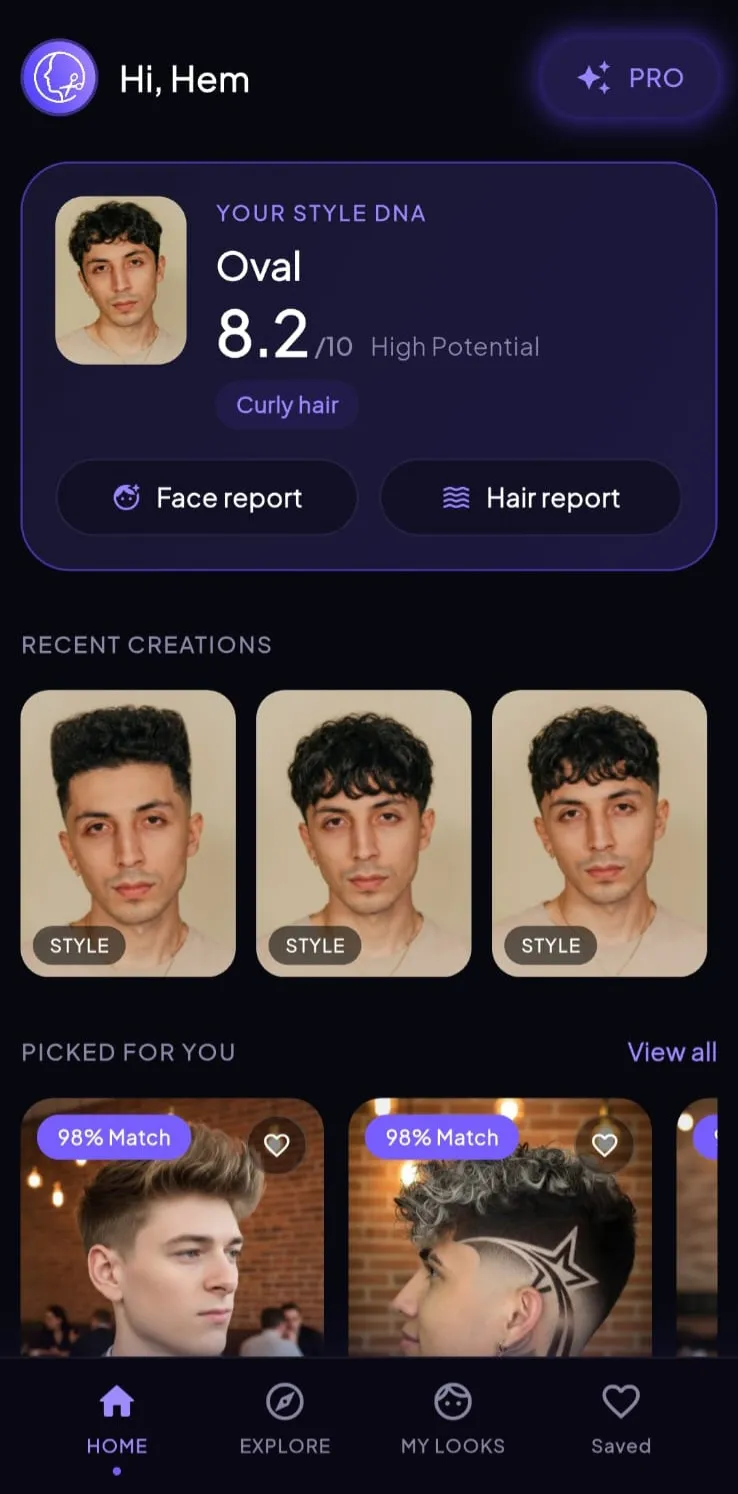
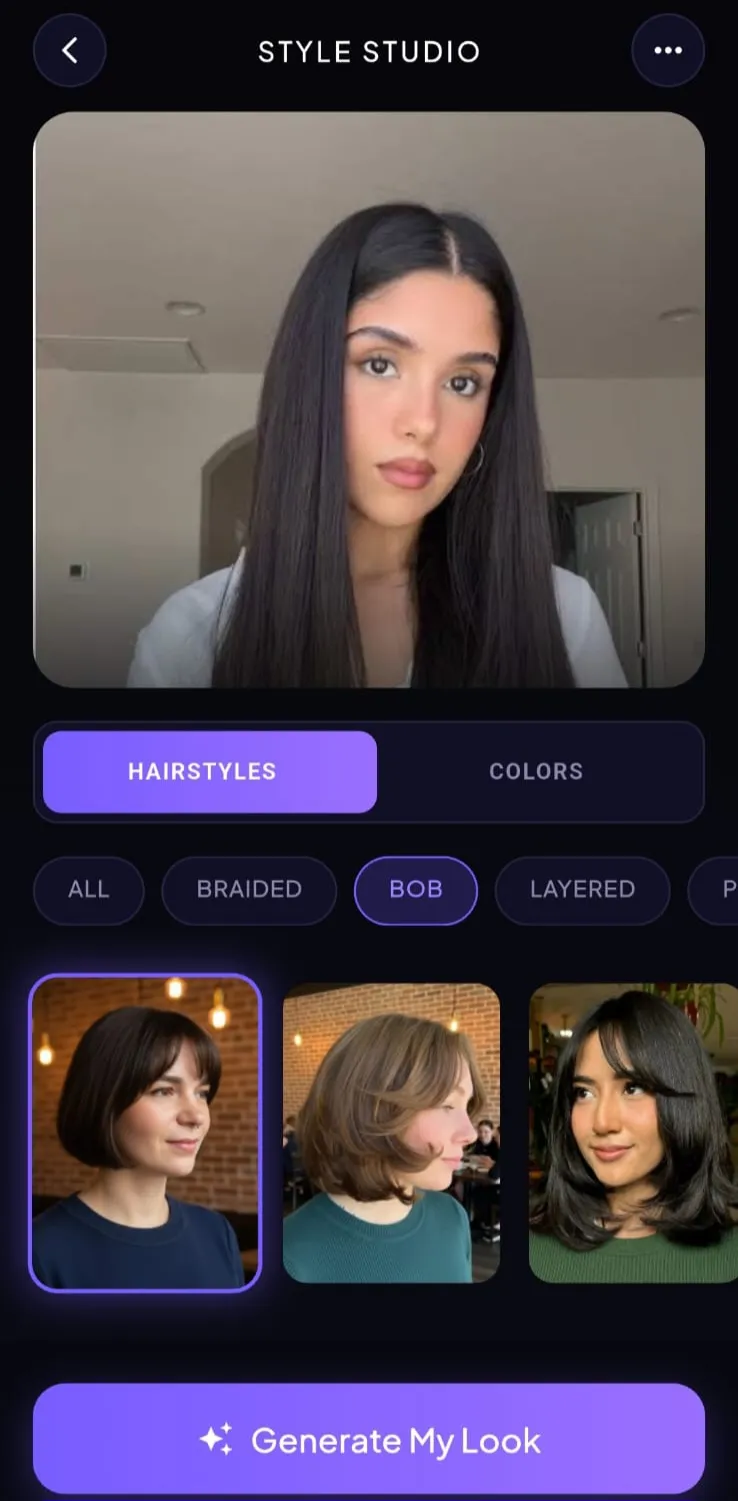
If you are thinking about a new cut before your job search, try it early. Upload a clear photo to Hairover, get a hair analysis, and try hairstyles on your own face in Style Studio.
FAQ
Should I get a haircut before a job interview?
A tidy-up is a good idea, ideally about a week before. That gives you time to fix anything you don't like and lets it settle. Avoid dramatic changes right before an interview.
Do I need to straighten my curly hair for an interview?
No. Natural curls and coils can look just as polished as straight hair. Well-kept, moisturized hair in a style you feel good about is what counts.
Should hair be up or down for an interview?
Either is fine. Pick a style that stays off your face and that you won't need to touch or adjust while you talk.