
wedding · india
Indian Bridal Hairstylesfor 2027
Indian bridal hairstyles for 2027, from gajra buns and braids to open waves for the sangeet, with how to plan for a dupatta, heavy jewelry, and long ceremonies.
Hairover Team

The best Indian bridal hairstyles for 2027 are the low bun with gajra, the long braid with flowers, the side-swept bun, and open waves for sangeet and reception looks. For the main ceremony, a low bun is usually the most practical, because it anchors your dupatta and supports a maang tikka and other jewelry through hours of rituals. Choose your style around your outfit, your jewelry, and how long you’ll be sitting, then test it in a proper trial.
For non-Indian bridal looks, see wedding hairstyles for 2027. If you’re dressing as a guest, see saree hairstyles for 2027 and lehenga hairstyles for 2027.
Low bun with gajra
This is the most classic choice. The bun sits at the nape, with strands of jasmine or other flowers wrapped around it. It’s sturdy, and it gives your dupatta something to be pinned to. Ask for it to be made with a soft front, rather than a totally flat one, so you don’t look severe in photos.
Rose or flower bun
A larger bun with roses or mixed flowers gives you a more contemporary look, especially for a reception. Use lightweight or artificial flowers if the arrangement looks heavy.
Long braid with flowers
A long, thick braid wrapped in flowers or jewelry is a bold, traditional look that’s popular in South India, for example. If your hair isn’t that long, your stylist can add extensions. Be honest about comfort, because added hair can get heavy after a few hours. See braid styles for 2027.
Side-swept bun or low chignon
Placing your bun off-center can create a modern outline and show off earrings on one side. It works best if your dupatta won’t cover it.
Open waves
Soft waves look beautiful for a sangeet, cocktail, or reception. They don’t always work as well under a heavy dupatta, and they may drop during a long day, particularly in heat. See our soft waves guide.
Half-up styles
A half-up twist with flowers suits a mehendi or smaller events. Adding a small maang tikka can make it look more bridal without too much weight. It’s easier to wear than a full updo if your hair is short.
Short and medium hair
You don’t need long hair to have a bridal look.
- Bobs and lobs. Add soft bends and pin back one side with jewels.
- Low bun with filler. Your stylist can use a small filler or extensions.
- Braided headband. A small braid at the front, finished with flowers, can look lovely.
See our short hairstyles for Indian women in 2027 for shorter options, though you can also ask your stylist what would work on your length.
Planning for your dupatta
Your dupatta affects your hairstyle more than almost anything else.
- Heavy dupatta: choose a low bun with a firm base and a smoother crown.
- Dupatta pinned over the head: leave room, and test the pins.
- Two dupattas: practice this during your trial, because the weight really adds up.
- Light veil: you can consider a softer hairstyle.
Ask your stylist to pin the dupatta to the bun and not to your hair alone, as it reduces pulling.
Planning for jewelry
Decide on jewelry first and bring it to your trial, including:
- Maang tikka. This usually works best with a center part.
- Matha patti. This needs a secure hairline, and it’s heavier than it looks.
- Passa or jhoomar. This can pull to one side, so ask for extra support on that side.
- Heavy earrings. Support chains may be pinned into your hair.
Comfort over long ceremonies
Ceremonies can be long and hot. To avoid a headache later:
- Tell your stylist straight away if anything pulls. It won’t get better.
- Ask for fewer tight pins around your hairline. The American Academy of Dermatology warns that continually pulling hair tightly back can lead to permanent hair loss, and although one day isn’t the issue, it’s worth keeping in mind if you have several tightly styled events in a row.
- Keep flower weight in check, particularly with fresh gajra.
- Plan a change of hairstyle between events if the schedule allows it.
Your wedding hair timeline
| When | What to do |
|---|---|
| A few months before | Decide on length and color. Book your stylist. |
| A couple of months before | Have a trial, ideally with your jewelry and dupatta. |
| A few weeks before | Have a light trim or color refresh. Don’t try anything new. |
| The day before | Follow your stylist’s washing advice. |
| On the day | Arrive with clean, dry hair, unless told otherwise. Have spare pins. |
If you color your hair before the wedding, allow time for a patch test, since the FDA advises you to do a patch test every time before dyeing your hair.
Different hairstyles for different events
Weddings often run across many events, and each look can be different:
- Mehendi: a loose braid with flowers that’s out of your way.
- Haldi: something simple that you don’t mind getting messy.
- Sangeet: open waves or a high ponytail for dancing.
- Wedding ceremony: a low bun or braid that can handle your dupatta.
- Reception: a side-swept look, or a sleek bun with a sharper outfit.
Photos
Your photographer will capture you from all sides, so check the back and side during your trial. Flash can also make flyaways and fine hair more visible, so take a picture with flash on your phone.
Related guides
Try a look before the trial
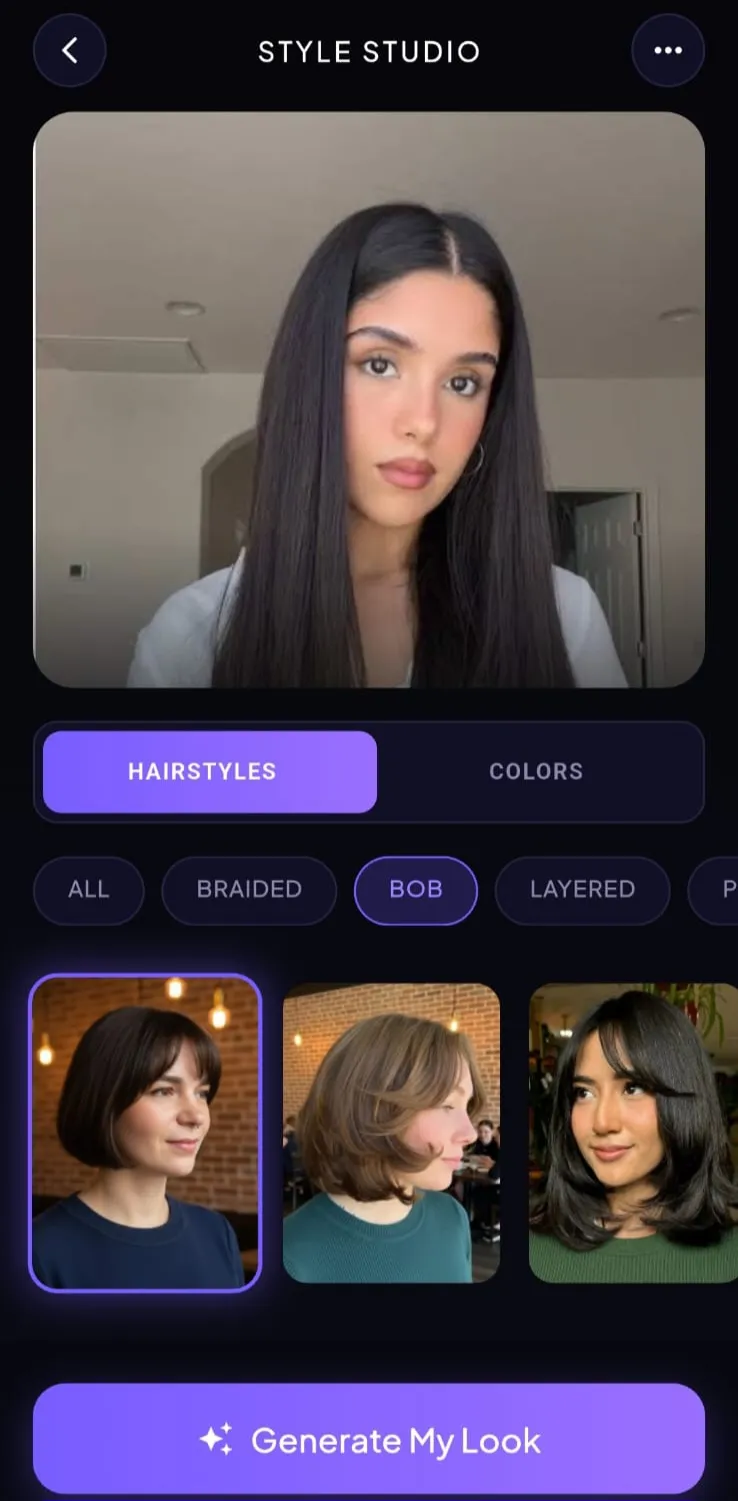
A good trial is expensive and takes up time, so it’s useful to narrow your options first. Hairover lets you upload a clear photo, then try hairstyles and colors on your own face in Style Studio. Take your favorite preview along as a reference for your stylist.
FAQ
What is the best hairstyle for an Indian bride?
A low bun with a gajra is a classic and secure choice, since it supports a dupatta and heavy jewelry. Braids are also popular, and open waves can work for shorter ceremonies.
What hairstyle works with a heavy dupatta?
A low bun gives you an anchor to pin the dupatta to. Keep the crown fairly flat, so that the dupatta sits smoothly.
How far ahead should I book a bridal hair trial?
Book your trial a few weeks to a couple of months before the wedding, and wear your actual jewelry and dupatta if you can, so that you can check the weight and placement.
Should I wash my hair on my wedding day?
Ask your stylist, since it depends on the look. Many prefer hair washed the day before for better hold, though fine hair may need to be fresher.