Hairover
Hairstyles for Square Faces
A square face gives you two clear options. Soften the jaw, or let it lead. Here's how to tell which one you want, plus cuts worth trying either way.
2 min read
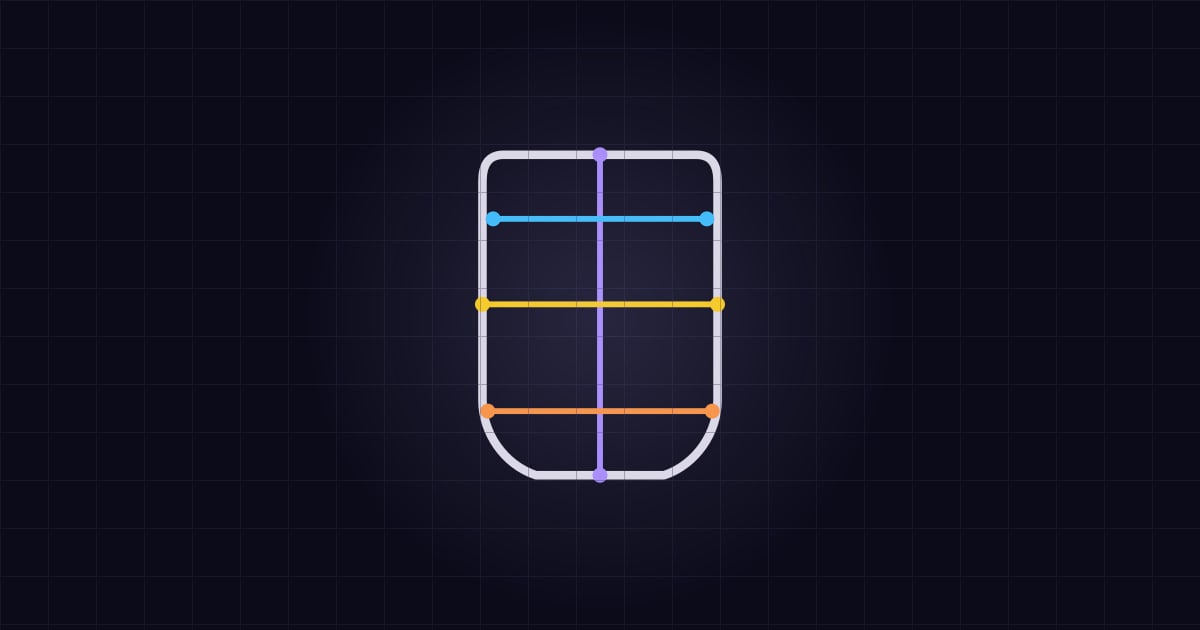
A square face is usually defined by the jaw: wide, strong, and close in width to the forehead, with fairly straight lines down each side. That gives you a choice softer face shapes don’t really have. You can use a haircut to ease those angles, or you can use it to play them up. Neither is more correct. They’re just two different looks.
The two directions
Soften it. Waves, layers, and a side-swept fringe break up the straight line of the jaw and add curves where the face has angles. This is the classic advice, and it works well if you want a gentler overall look.
Lean into it. A structured crop, a blunt bob, or a fade that shows the jaw treats your bone structure as a feature. This direction looks bolder and more graphic, not harsher. A sharp cut next to a sharp jaw looks intentional.
Most people are drawn to one more than the other. If you already avoid one of these looks in photos, that tells you something. Start with the other.
Cuts to compare
If you want to soften: soft layers and waves around the jaw break up the straight line without losing length, and a deep side part with side-swept bangs does the same at the front of the face. Movement is what matters. Even a slight wave changes how the jawline looks next to it.
If you want structure: a blunt bob at or just below the jaw creates a clean, graphic edge that mirrors the jaw instead of fighting it. A textured crop or fade moves the visual weight to the top of the head and lets the jaw be the strongest line on purpose. Textured crops and classic fades both work, especially with a lower fade if you don’t want to add more angles.
If you’re somewhere in between: curls add movement without much width at the cheeks. They take the edge off without committing to a fully rounded shape.
What works against you either way
A heavy, blunt, straight-across fringe runs parallel to the straight edge of the jaw, and the two lines can stack instead of balancing. That doesn’t rule out bangs. Side-swept or longer, textured bangs are the usual alternative, because a diagonal line does the opposite job of a horizontal one.
Very boxy, chin-length cuts with no layers mirror a square jaw the most. Some people want exactly that architectural match. Just make it a choice rather than a default.
Preview both before you choose
Since square faces can pull off two opposite approaches, trying cuts on your own photo pays off more here than with most shapes. Put a softening style (waves or a side-swept fringe) next to a structured one (a blunt bob or a fade) on the same photo before you sit in the chair. For more on the shape itself, see the square face shape guide, or browse all hairstyles for more options.
FAQ
Do I have to soften a square jaw with my haircut?
No. Softening is one option, not an obligation. A clean short style or a sleek, structured length can complement a strong jaw instead of hiding it. The two approaches look very different, so preview both before you decide which one feels like you.
Are bangs a good idea for a square face?
Side-swept or longer bangs are often recommended because they add a diagonal line rather than another horizontal one. A heavy, blunt, straight-across fringe echoes the straight line of the jaw and can double up the angles. That's fine if it's the look you want, but test it first if you're unsure.
What haircut is bad for a square face?
No cut is universally bad, but a boxy, chin-length shape with a blunt, straight edge mirrors a square jaw most closely. Some people like that architectural look on purpose. If you'd rather break up the line, waves, layers, or more length are the usual route.
Do fades work on square faces?
Often, yes. A fade removes weight at the sides and moves attention to the top. Fade height changes how angular the look feels, with a lower fade reading softer and a higher one adding contrast. Compare both before you decide.