
pompadour · men
Pompadour vs. Quiff: HowThey Differ
Pompadour vs. quiff explained, covering height, finish, products, and upkeep, with how to tell them apart, who suits each, and how to ask your barber.
Hairover Team
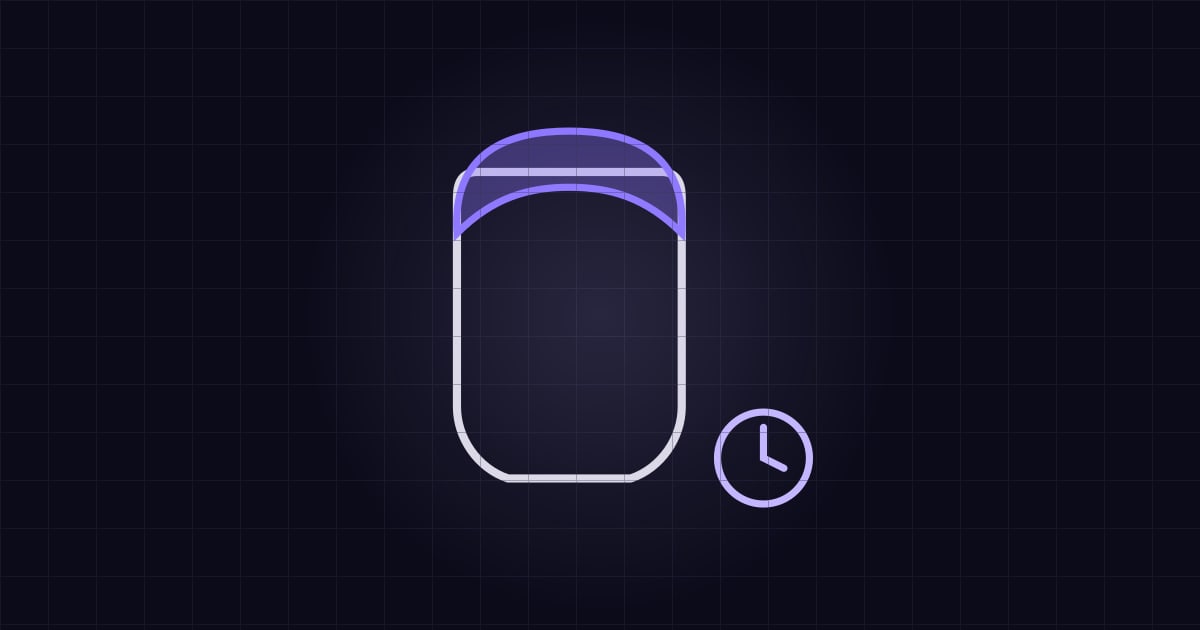
A pompadour sweeps all the hair on top up and back into one high, smooth shape, usually with some shine. A quiff keeps its volume at the front only, and it is shorter and more textured. In short, the pompadour is bigger, more formal, and takes more work. The quiff is the more relaxed option.
Side by side
| Pompadour | Quiff | |
|---|---|---|
| Front length | 4 to 6 inches | 3 to 4 inches |
| Direction | Entire top, up and back | Front up, rest loose |
| Finish | Usually smooth and shiny | Usually matte and textured |
| Product | Pomade | Clay or paste |
| Styling time | 5 to 10 minutes | 3 to 5 minutes |
| Feel | Classic, dressed up | Casual, modern |
What makes a pompadour
The pompadour relies on one continuous shape. Hair is blow-dried up and back, then smoothed with pomade, so that it sits tall at the front and slopes down toward the crown. Modern versions often pair it with a fade, which makes the top look even taller. It suits straight or wavy hair with a good density and a solid front hairline.
What makes a quiff
A quiff is more forgiving. Only the front needs lift, so there is less to control, and the textured finish means it does not have to be perfect. It also grows out into other styles easily. If you are deciding between this and something shorter, see textured crop vs. quiff.
Which suits your face
Both add height, which helps round and square faces. Long faces should keep the height modest, since a tall pompadour adds even more length. Thinning hair usually suits neither very well, as lifting hair away from the forehead shows the temples. Our guide to haircuts for thinning hair has better options.
Products make the difference
The look is mostly a product decision. A water-based pomade gives the shine of a classic pompadour, and a clay or paste gives a quiff its matte texture. For a full breakdown, see pomade vs. clay vs. wax.
How to ask
Pompadour: “A fade on the sides, with about five inches on top at the front, cut so it shortens gradually toward the crown, for a pompadour.”
Quiff: “A taper on the sides, with scissors on top, and three or four inches at the front, textured so that I can lift it.”
Try the height before growing it
Growing out a pompadour takes months, so it is worth checking the height suits you first. Upload a clear photo to Hairover, get a hair analysis, and try hairstyles on your own face in Style Studio.
FAQ
What is the main difference between a pompadour and a quiff?
A pompadour combs the whole top up and back into one smooth, high shape, usually with some shine. A quiff keeps the height at the front only, and it is often more textured and matte.
Which is easier for beginners?
The quiff. It needs less length and less precision, and a messy finish looks intentional. A pompadour takes more practice because the smooth shape shows any mistakes.
How long does hair need to be for a pompadour?
Usually at least four to six inches at the front, shortening gradually toward the crown. A quiff can work with three to four inches.