
bob · haircuts
The Italian Bob in 2027: Who It Suits and Howto Ask
The Italian bob is a full, swingy bob that sits around the jaw to just above the shoulders. See who it suits, how it differs from a French bob, and what to ask for.
Hairover Team

An Italian bob is a full, swingy bob that sits between the jaw and just above the shoulders. It has thick, slightly blunt ends, soft movement, and is usually styled with volume and a gentle bend. It’s longer and fuller than a French bob and usually worn without a fringe. In 2027 it’s one of the most requested bobs because it looks polished with little effort and suits a wide range of hair types.
Italian bob vs. French bob
| Italian bob | French bob | |
|---|---|---|
| Length | Jaw to just above the shoulders | Cheekbone to lip |
| Fringe | Usually none | Often a short fringe |
| Volume | Full and swingy | Lighter, more undone |
| Feel | Glamorous, polished | Casual, a bit undone |
For more detail, see French bob vs. Italian bob and the French bob for 2027.
Who suits an Italian bob
- Fine or thin hair: a great match. The thick ends make hair look denser.
- Thick hair: works with some internal layers to stop it puffing out.
- Wavy hair: looks natural and can be air-dried.
- Curly hair: possible, but the shape becomes rounder. Ask for it cut dry and a little longer.
- Round faces: keep it below the jaw, with a side or off-center part.
- Square faces: soft ends around the jaw stop it from looking too geometric.
- Long faces: add volume at the sides. Avoid a very flat finish.
If you’re unsure of your face shape, try our free face shape detector.
How to ask for an Italian bob
Bring a photo, then say:
“A full bob just below my jaw, with thick, slightly blunt ends. Only light internal layers to remove bulk, no visible short layers. I want it to swing and turn under a little when I blow-dry it.”
Tell your stylist how you’ll style it. If you’ll air-dry, they can cut it to fall well without a blow-dry.
How to style it
- Apply a volumizing mousse or blow-dry spray to damp roots.
- Blow-dry with a large round brush, lifting at the roots.
- Turn the ends under or slightly out on the last pass.
- Finish with a light shine spray.
For a quicker version, flip your head upside down to rough-dry, then smooth just the ends with the brush. Use low or medium heat and a heat protectant; the American Academy of Dermatology recommends limiting hot tools and using lower heat settings.
Upkeep
- Trims: every six to eight weeks. The shape depends on the ends staying full.
- Daily styling: five to fifteen minutes, depending on texture.
- Growing it out: easy. It turns into a lob with no awkward stage.
Related guides
- Bob Haircut Ideas for 2027
- Bob vs. Lob
- The 90s Blowout
- Blunt Bob: Who It Suits, Lengths, and How to Ask
Try the Italian bob on your face
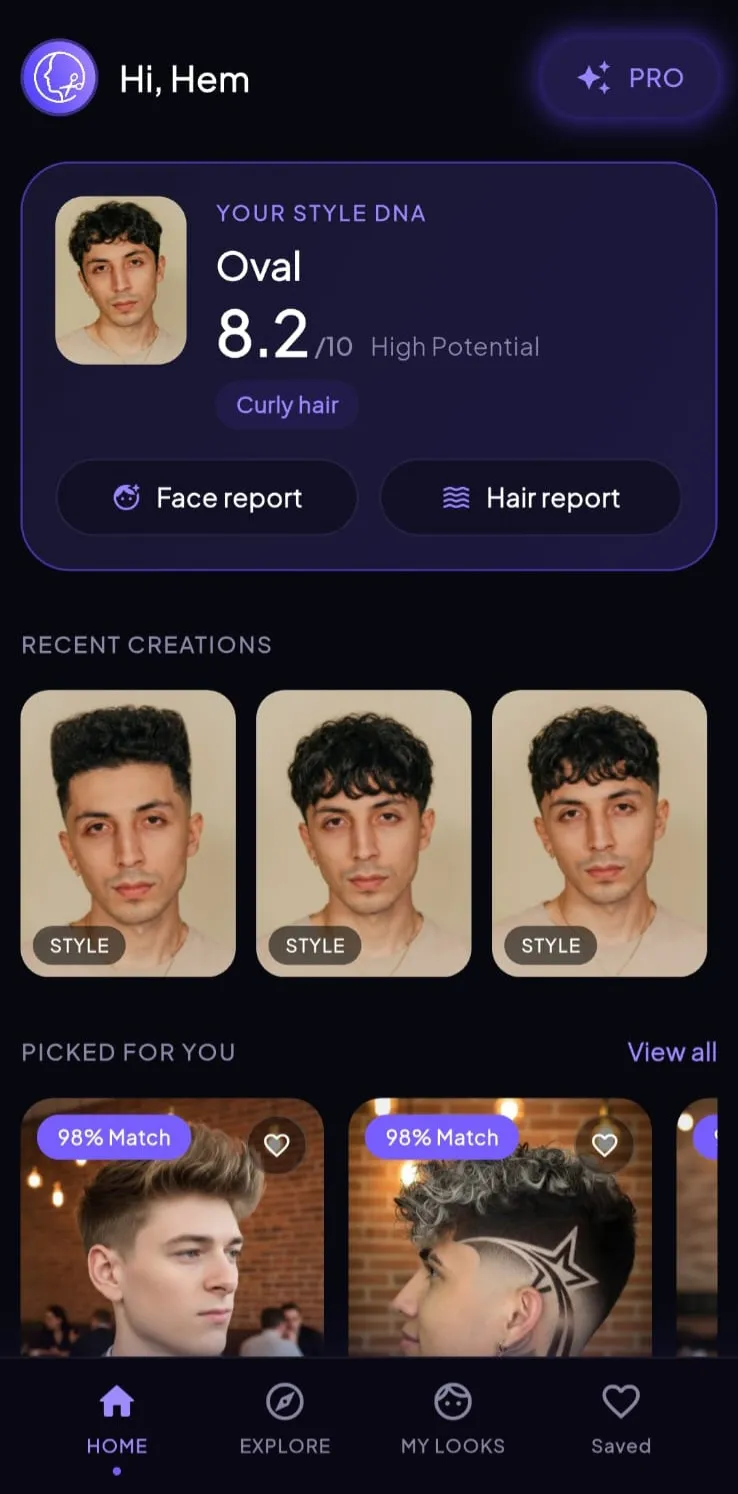
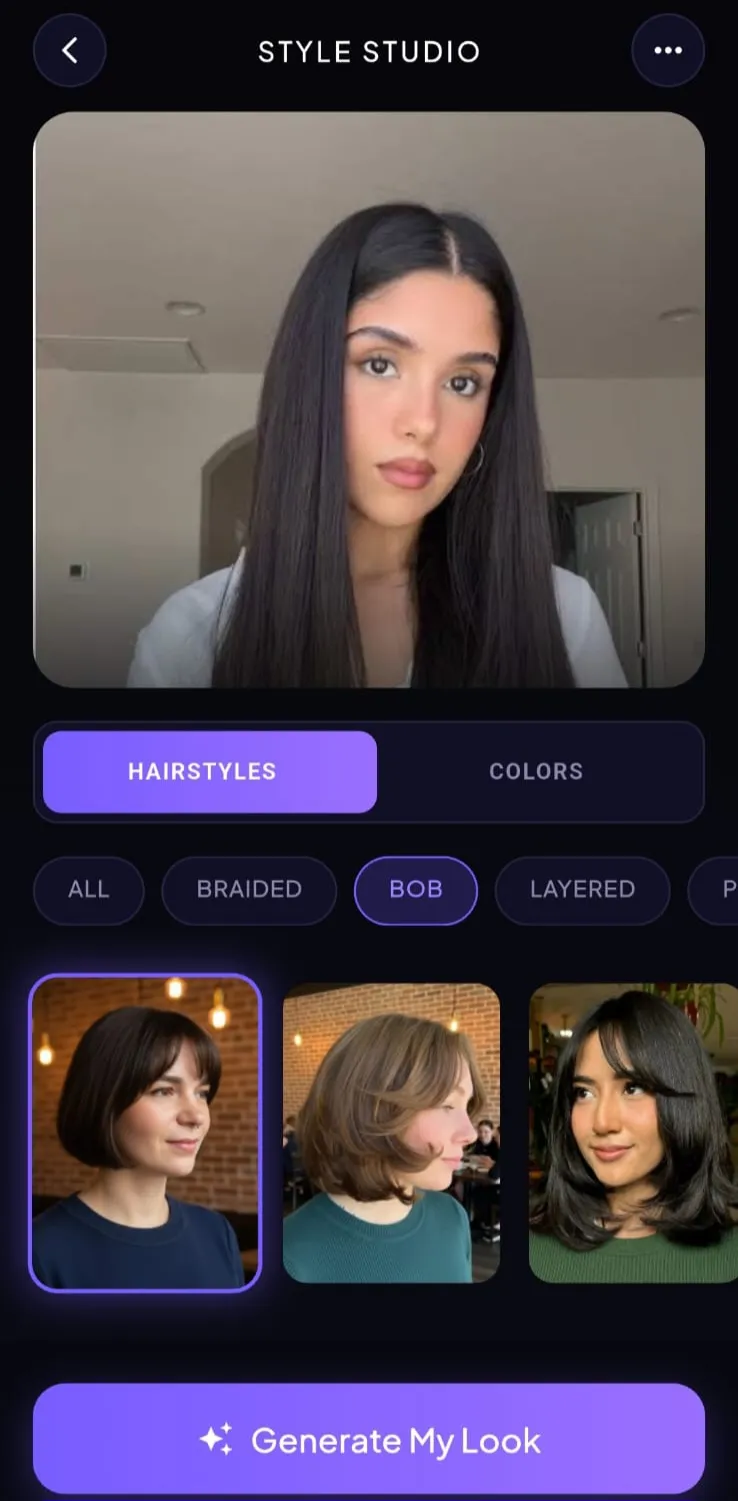
Length is the hardest part of a bob to judge. Hairover lets you upload a clear photo, get a hair analysis, and try hairstyles on your own face in Style Studio, so you can compare an Italian bob with a French bob before your appointment.
FAQ
What is an Italian bob?
A full, slightly longer bob that sits between the jaw and just above the shoulders. The ends are thick and a little blunt, with soft movement, and it is usually styled with volume and a bend at the ends.
What is the difference between an Italian bob and a French bob?
A French bob is shorter, usually at the cheekbone or lip, and often worn with a fringe. An Italian bob is longer and fuller, around the jaw or lower, and is usually worn without a fringe.
Does an Italian bob work on thin hair?
Yes. The thick, blunt-ish ends make fine hair look fuller. Ask for minimal layers so the ends stay dense.
Is an Italian bob high maintenance?
It's moderate. It needs a trim every six to eight weeks to keep the shape, and it looks best with a quick blow-dry. On wavy hair, it can be air-dried.