Hairover
Face Shape Is a Starting Point, Not a Rule
Face-shape charts are everywhere. They're useful as a guide, not as a set of laws. Here's how to use them without boxing yourself into one haircut.
2 min read
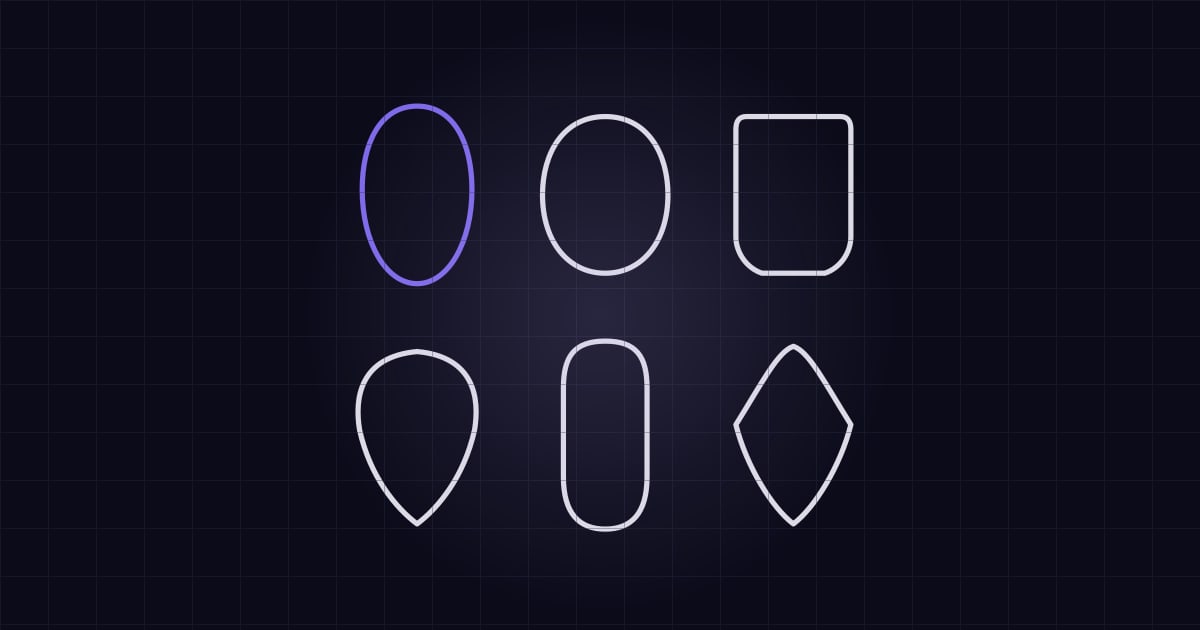
Search for a haircut and you’ll find a chart: oval, round, square, heart, oblong, diamond. Each shape gets a list of styles that “suit” it and a list to avoid. These charts stick around because they’re a handy shorthand. They stop being useful when people treat them like a diagnosis.
What a face-shape label can tell you
The labels describe proportion. A round face has similar width and length. An oblong face is longer. A square jaw is a straight line, and a heart-shaped chin is a narrower one. Those observations can hint at whether you’d like extra height, a fringe, or more movement around the jaw.
That’s about all they can do. They can’t see your cowlick, your density, how fast your hair grows, or whether you’ll bother blow-drying on a Tuesday.
What the charts leave out
Texture changes everything. A bob on straight, heavy hair is a completely different haircut from a bob on curls that shrink two inches when dry. Lifestyle matters too: the crop that looks sharp in a studio photo might need fade touch-ups you won’t book. And personal taste matters more than either. Plenty of people with round faces want a rounder cut on purpose.
A better order of questions
- What length are you happy to live with for the next six months?
- What does your hair do on a day you don’t style it?
- Which features do you want the cut to show off, and which would you rather frame?
- Only then, if it helps: which face-shape notes match what you see in the mirror?
Using Hairover this way
Upload a clear photo and treat the recommendations as options, not a ranking. Compare one style that follows the usual face-shape advice with one that ignores it. The better result is the one you can picture wearing to work, not the one that “wins” on a chart.
If you want a closer look at the common labels, start with the face shape guides, then browse hairstyles by length and texture. Treat the advice loosely. Hair isn’t a geometry exam.
FAQ
How accurate are face-shape hairstyle charts?
They're a reasonable starting point for proportion (length versus width, jaw angle, forehead size), but they say nothing about hair texture, density, cowlicks, or how much styling you'll actually do. Two people with the same face shape can need very different haircuts.
Can I have more than one face shape?
Many people sit between two labels, and lighting or camera angle can change which one a chart or app gives you. If you're between shapes, read both guides and compare the styles on your own photo instead of forcing a single label.
Should I ignore face-shape advice completely?
Not necessarily. It can turn a long list of options into a shorter one worth trying. The mistake is treating it as a rule that overrides your hair type, your routine, or what you want to see in the mirror.